
Managing Head Oil Galleries During Engine Rebuilds
May 18th 2026
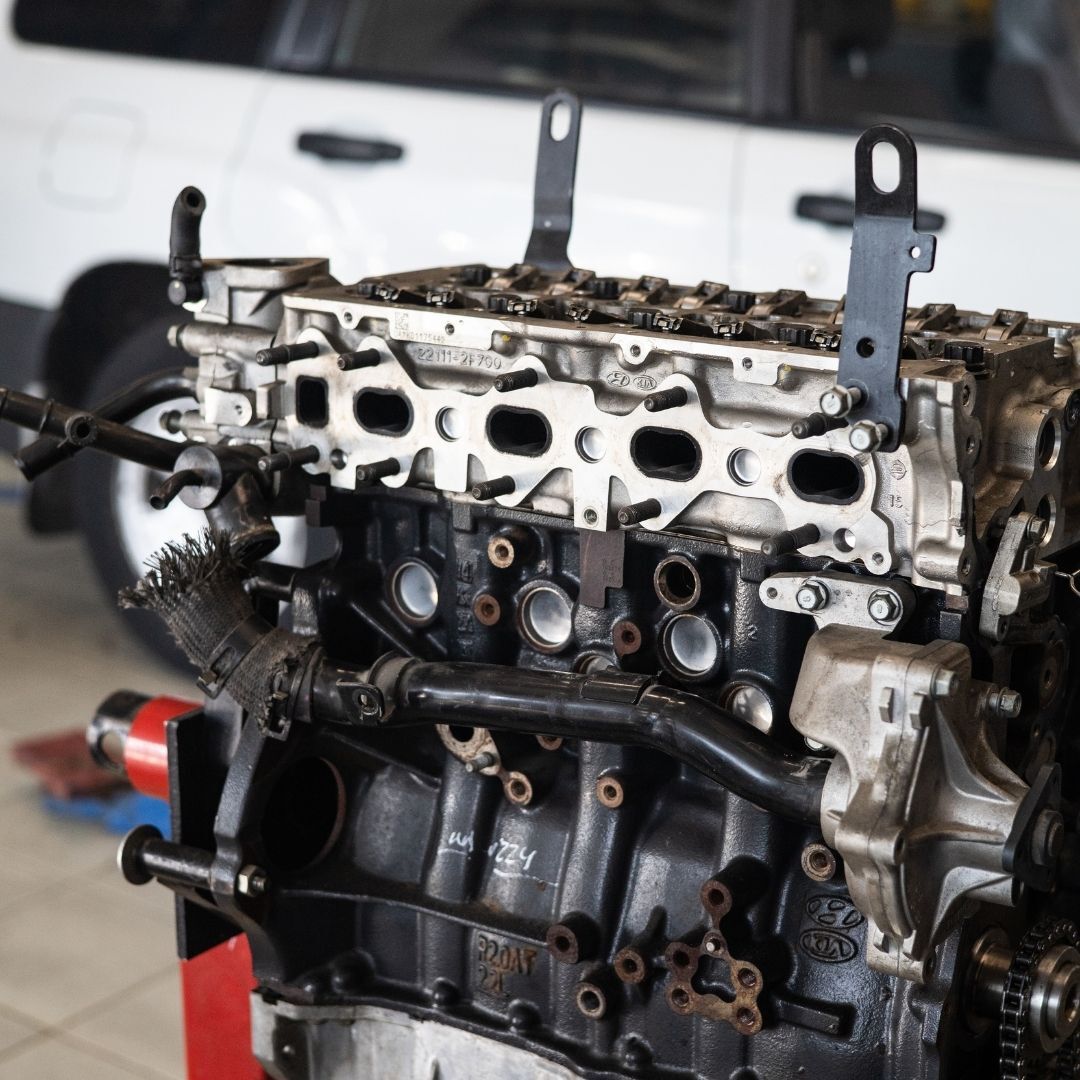
When you tackle high-performance engine blueprinting, standard hot tanking rarely suffices for critical oil pathways. Neglecting the subterranean galleries within cast iron or aluminum heads risks sending trapped machining debris straight to your fresh journal bearings. True blueprinting demands a meticulous, mechanical approach to oil gallery decontamination to ensure long-term hydrodynamic lubrication. Learn more about how you can best approach head oil galleries and engine cleaning with Regis Manufacturing, and shop our entire online inventory now!
Advanced Mechanical Purging Techniques
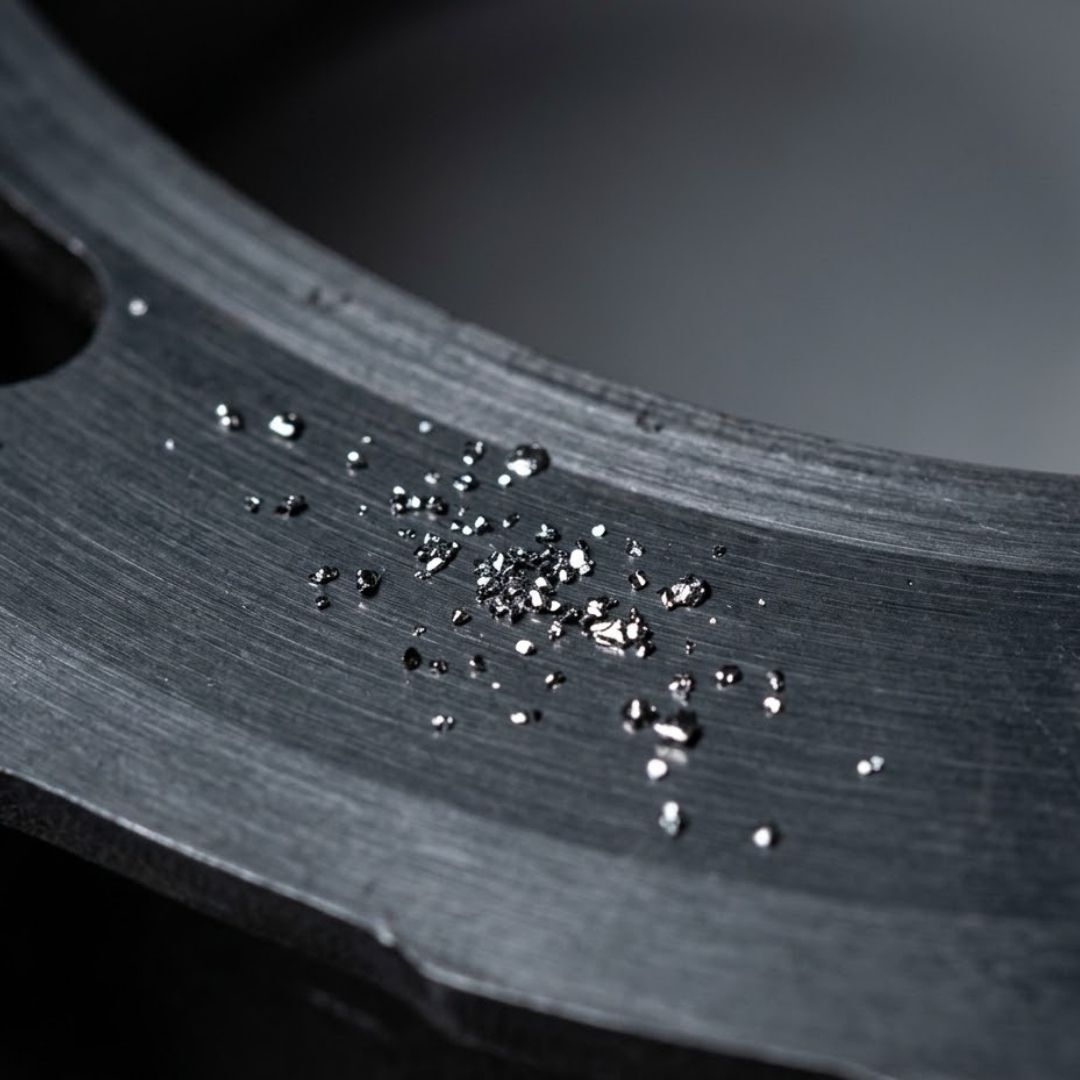
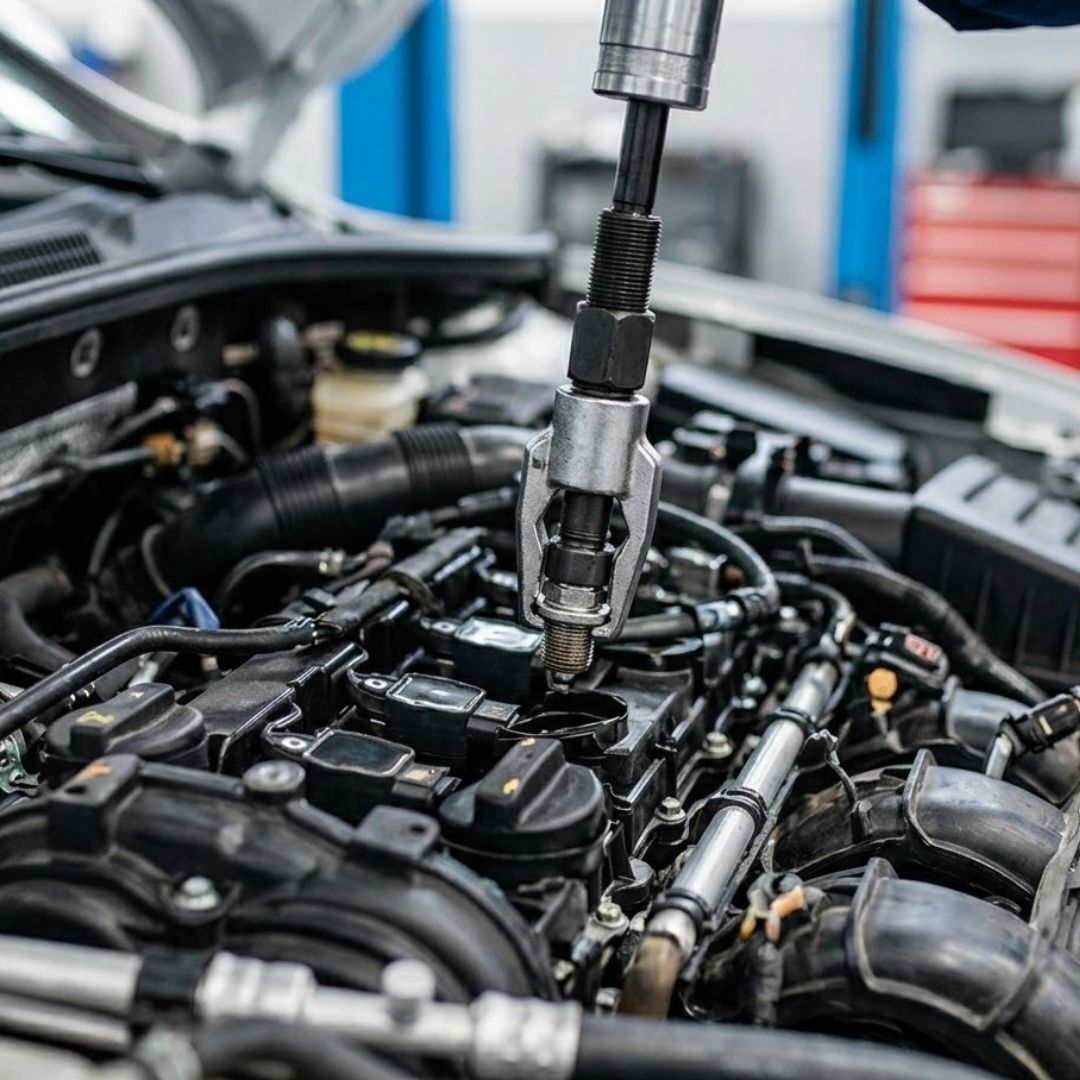
Before running any nylon or brass wire brushes through the oil circuits, you must physically remove all factory press-fit gallery plugs. Forcing solvent through restricted, blind passages merely rearranges internal contaminants rather than evacuating them entirely. Drill, tap, and extract these restrictive plugs to expose the straight-line bore for comprehensive mechanical scrubbing.
Deburring & Radius Modification
Cast oil passages can frequently present sharp internal corners and casting flash that induce fluid turbulence and pressure drops. Utilize long-reach carbide burrs to gently radius these internal intersections, smoothing the transition zones between the main feed and individual cam journals. This modification drastically improves volumetric efficiency and maintains stable oil pressure at high operational RPMs.
Ultrasonic Cavitation & Chemical Flushing
Once mechanical blockages are cleared, you can subject the casting to an ultrasonic thermal bath utilizing a low-foaming, surfactant-heavy detergent. The microscopic cavitation bubbles implode deep within the subterranean channels, dislodging stubborn carbonized varnish and microscopic abrasives that conventional pressure washers miss. Follow this immediately with a high-pressure, solvent-based rinse to verify uninhibited flow.
Verifying Passage Integrity & Sealing
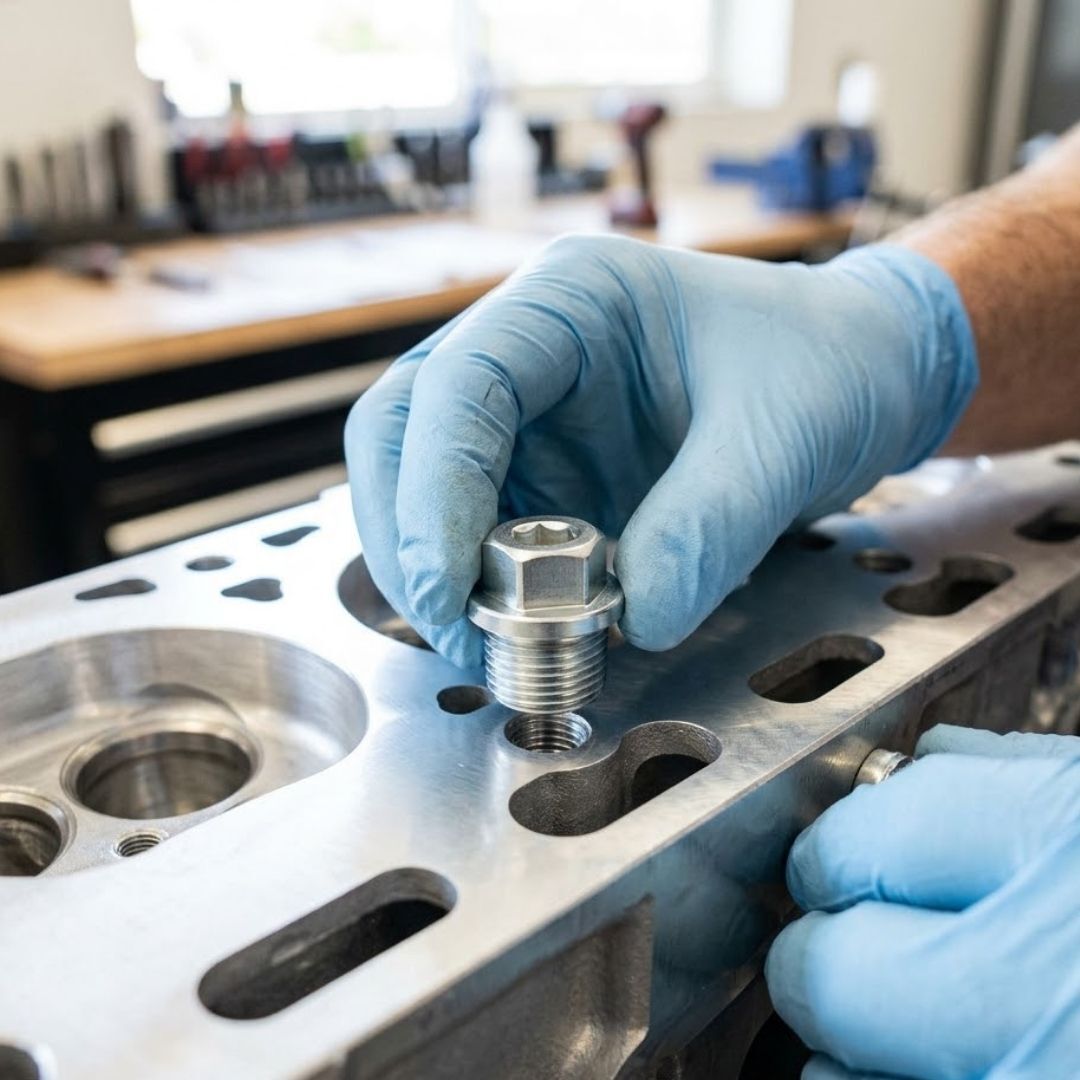
After thoroughly drying the galleries with compressed air, you inspect the internal bores using a high-definition digital borescope. Once cleanliness is verified, do not reinstall loose press-fit plugs; instead, tap the gallery openings for threaded, high-strength Allen-head pipe plugs sealed with fuel-resistant compound. This ensures a permanent, leak-proof seal capable of withstanding extreme thermal cycles.
Successfully executing an advanced engine rebuild requires uncompromising attention to internal cleanliness and fluid dynamics. At Regis Manufacturing, you provide the precision components and specialized tools necessary to elevate your machining standards. Explore our technical catalog to secure the premium parts required for your next project!


