
Optimizing Valve Seat Geometry for High-Performance Rebuilds
Apr 10th 2026
When we push the limits of internal combustion, the interface between the valve and its seat becomes a critical theater of performance. For the advanced engine builder, a standard three-angle valve job is often just the starting point. We understand that achieving the perfect balance of airflow, thermal transfer, and durability requires a deep dive into geometric precision.
Establishing the Ideal Seat Width
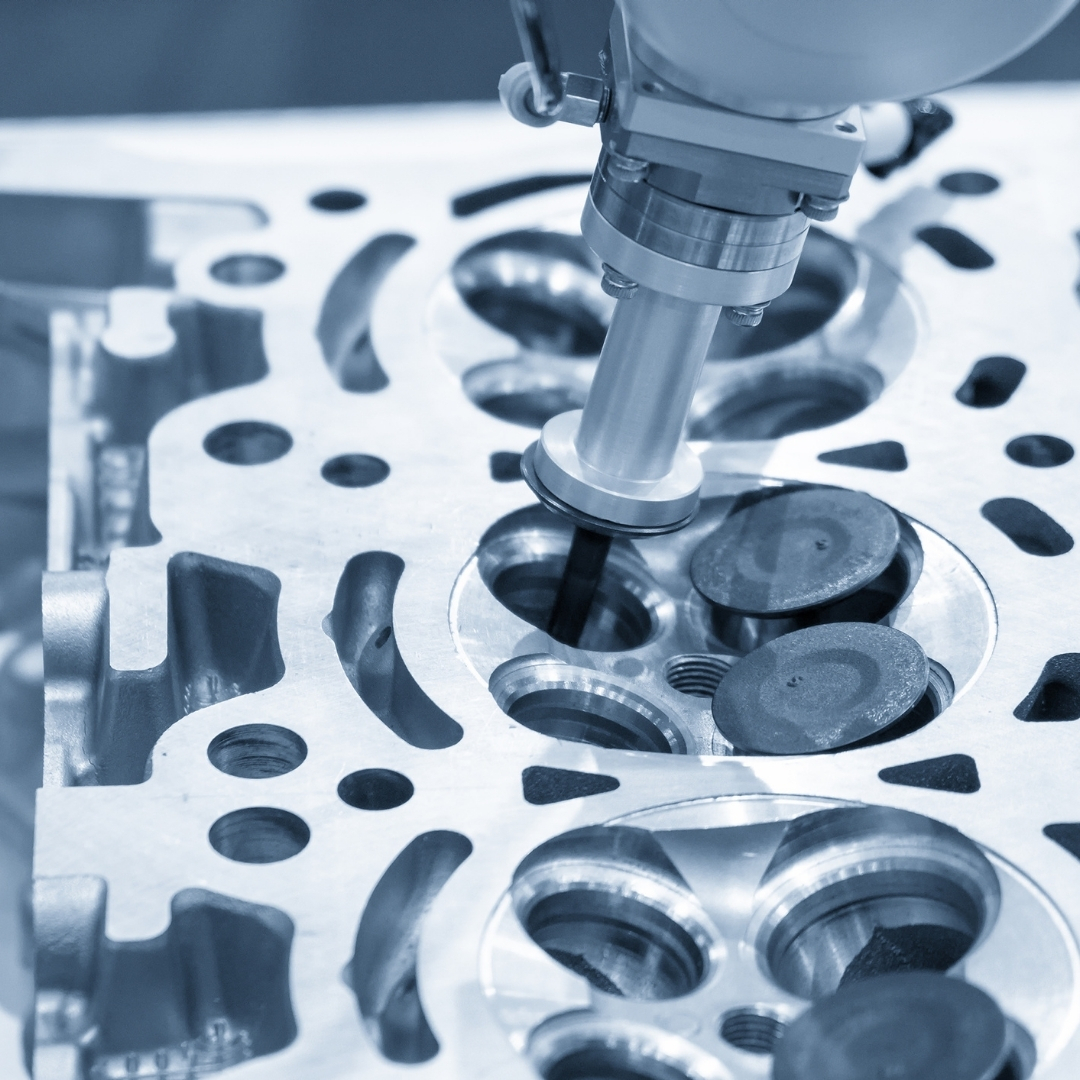
The width of the valve seat contact patch is a delicate trade-off between cooling and flow. While narrow seats can increase low-lift airflow by reducing obstruction, they often struggle to dissipate heat from the valve head. We recommend wider intake seats for endurance builds to ensure the valve remains cool under sustained high-rpm thermal loads.
Strategic Multi-Angle Cutting Techniques
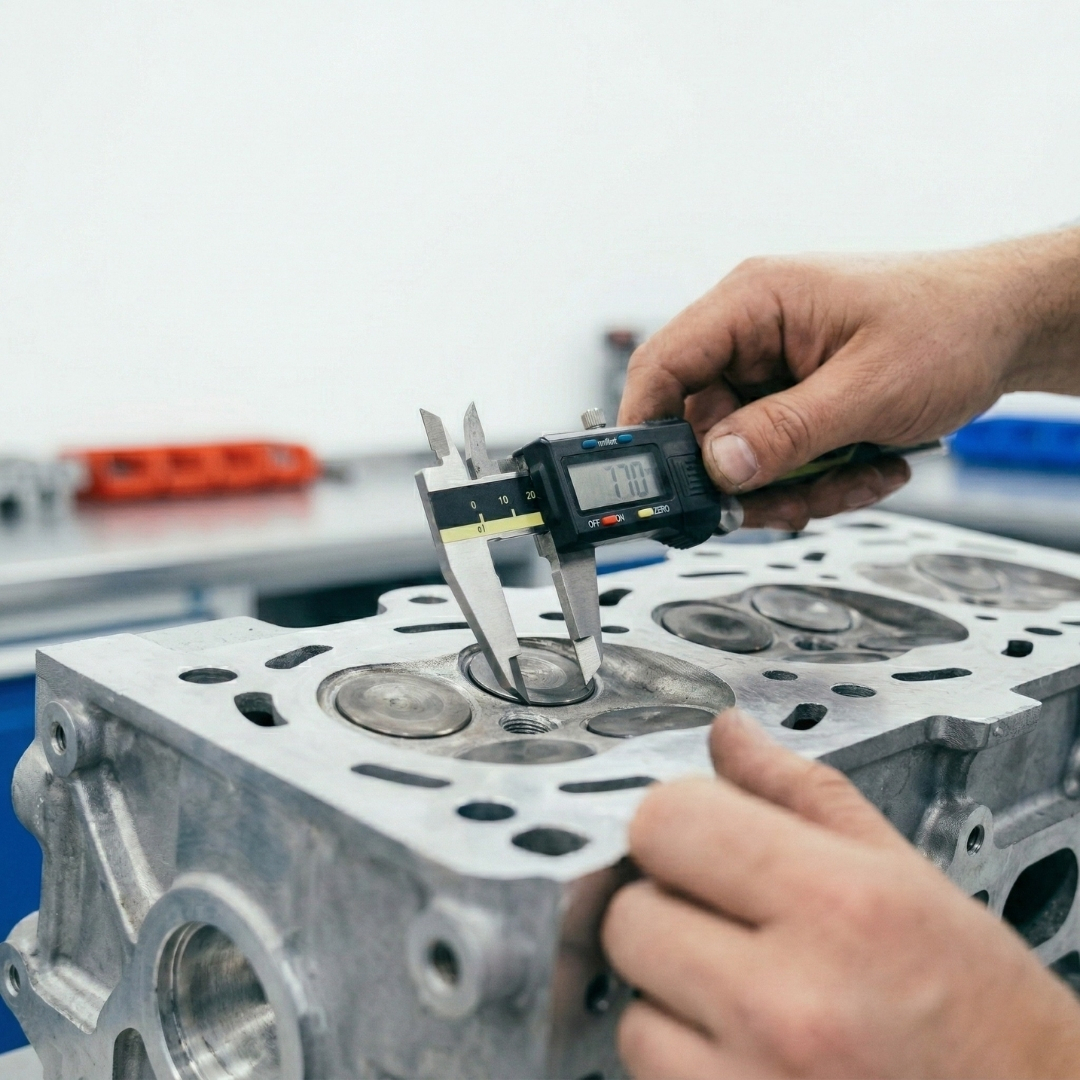
Beyond basic angles, utilizing a dedicated seat machining chuck allows us to implement high-flow profiles that transition smoothly. By manipulating the top, seat, and throat angles, we can minimize turbulence as the air rounds the valve margin. Precision in these transitions is what separates a standard street rebuild from a championship-caliber high-performance racing cylinder head.
Precision Concentricity and Seal Integrity
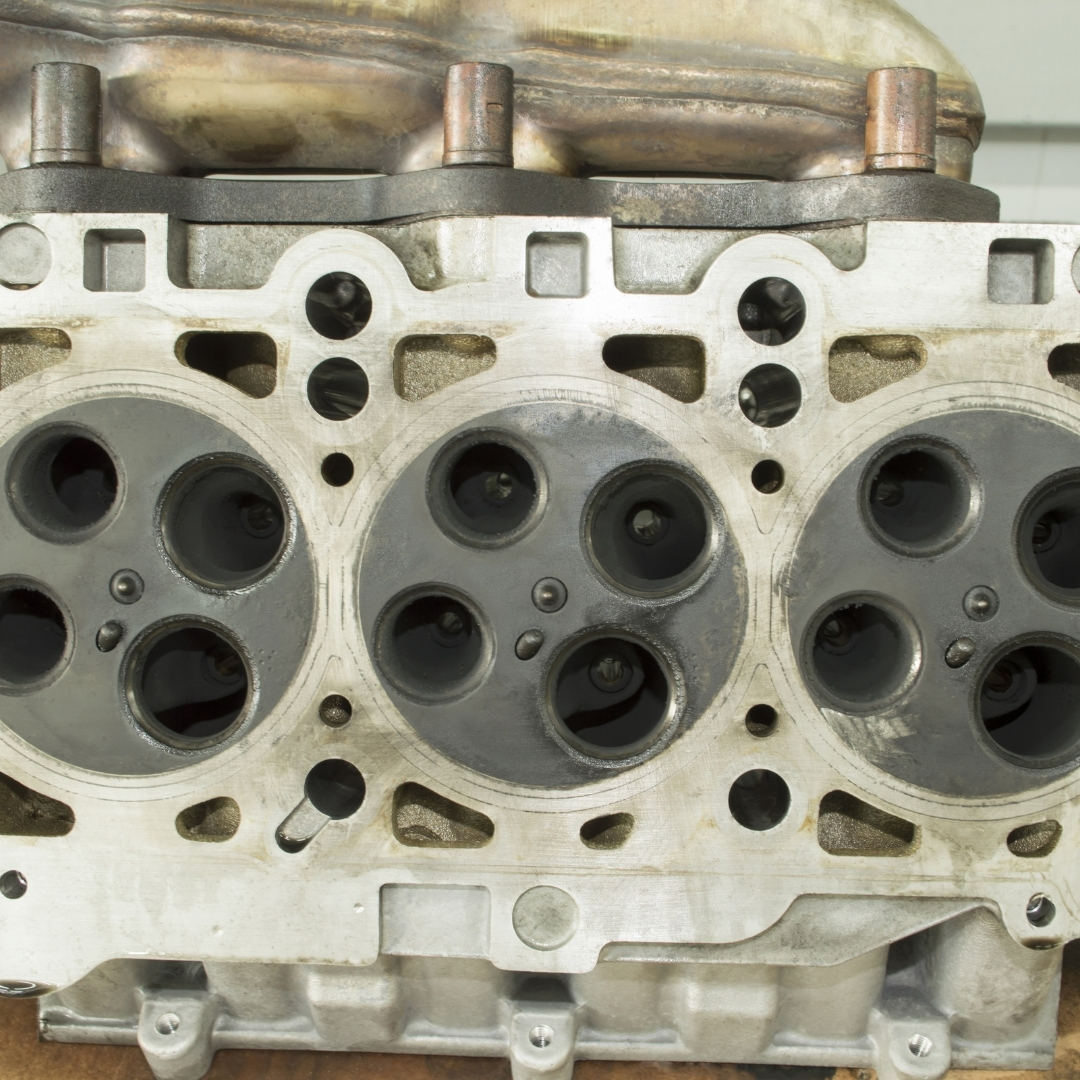
Consistent power is impossible without a perfect seal, which is why we prioritize absolute concentricity between the valve guide and seat. Using high-quality pilots and diamond-honed guides ensures the valve centers perfectly every time. This precision prevents "micro-leaks" that can cause erratic idle or loss of compression at high cylinder pressures during the combustion stroke.
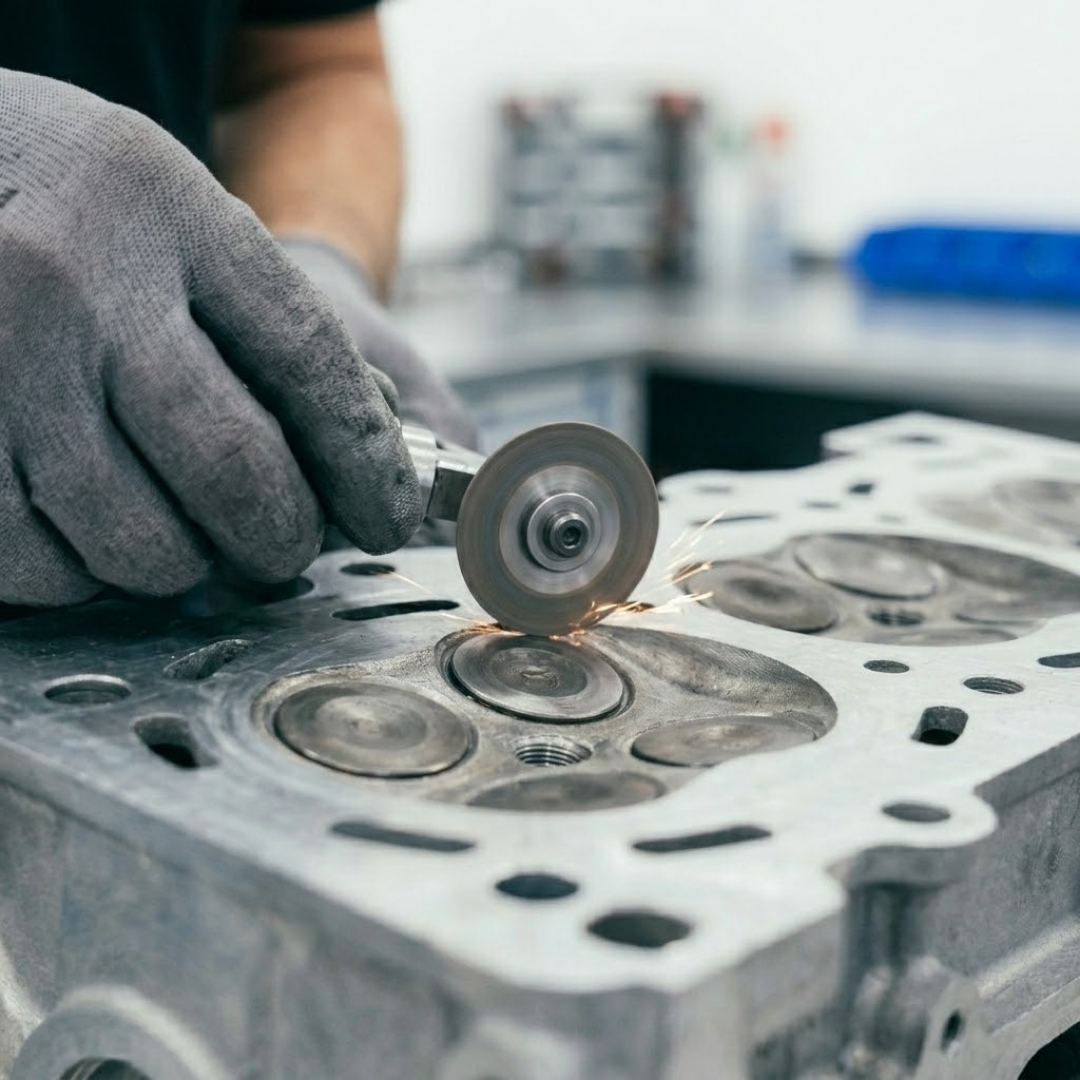
Surface Finish and Final Lapping
The final texture of the valve seat determines how well the initial seal "beds in" during the engine's first heat cycle. We utilize specific grinding wheels to achieve a finish that promotes rapid mating without excessive wear. This meticulous attention to the micro-surface prevents premature recession and maintains the integrity of the valve train geometry.
Mastering valve seat geometry is essential for any builder aiming to maximize volumetric efficiency and long-term engine reliability. By selecting the right machining tools and following rigorous measurement protocols, we ensure every cylinder head performs at its absolute peak. Explore our professional-grade valve seat wheels and machining accessories at Regis Manufacturing to elevate your next custom engine rebuild.


