
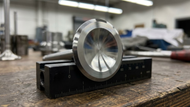
Diagnosing and Eliminating Valve Chatter During High-Performance Refacing
Aug 7th 2026
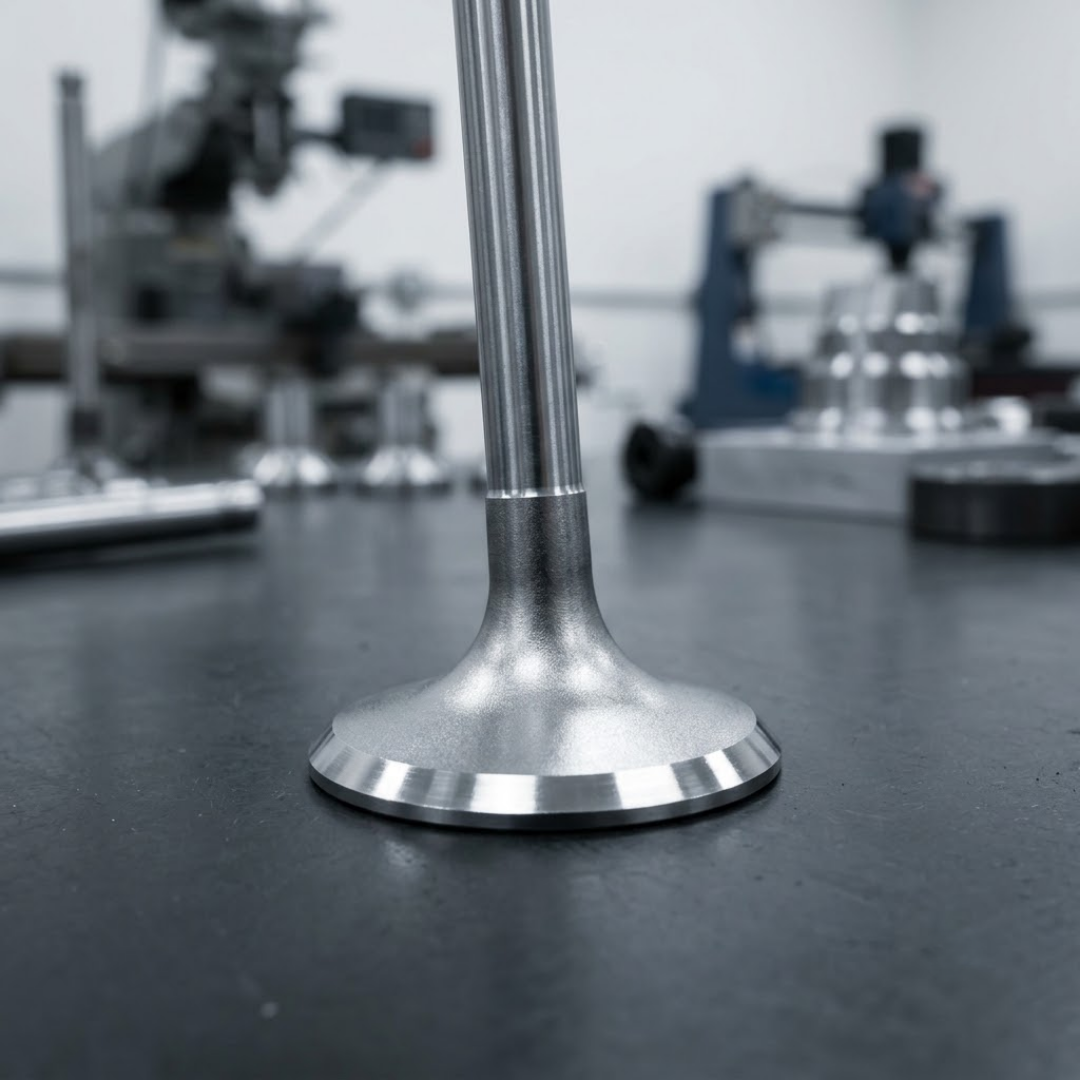
When precision engine building demands tight tolerances, valve chatter during refacing can compromise sealing and ruin expensive titanium or stainless valves. Chatter marks create micro-imperfections across the valve face, leading to compression loss and early valve seat failure. Understanding the root causes of valve chatter allows machinists and engine builders to achieve a mirror finish every time.
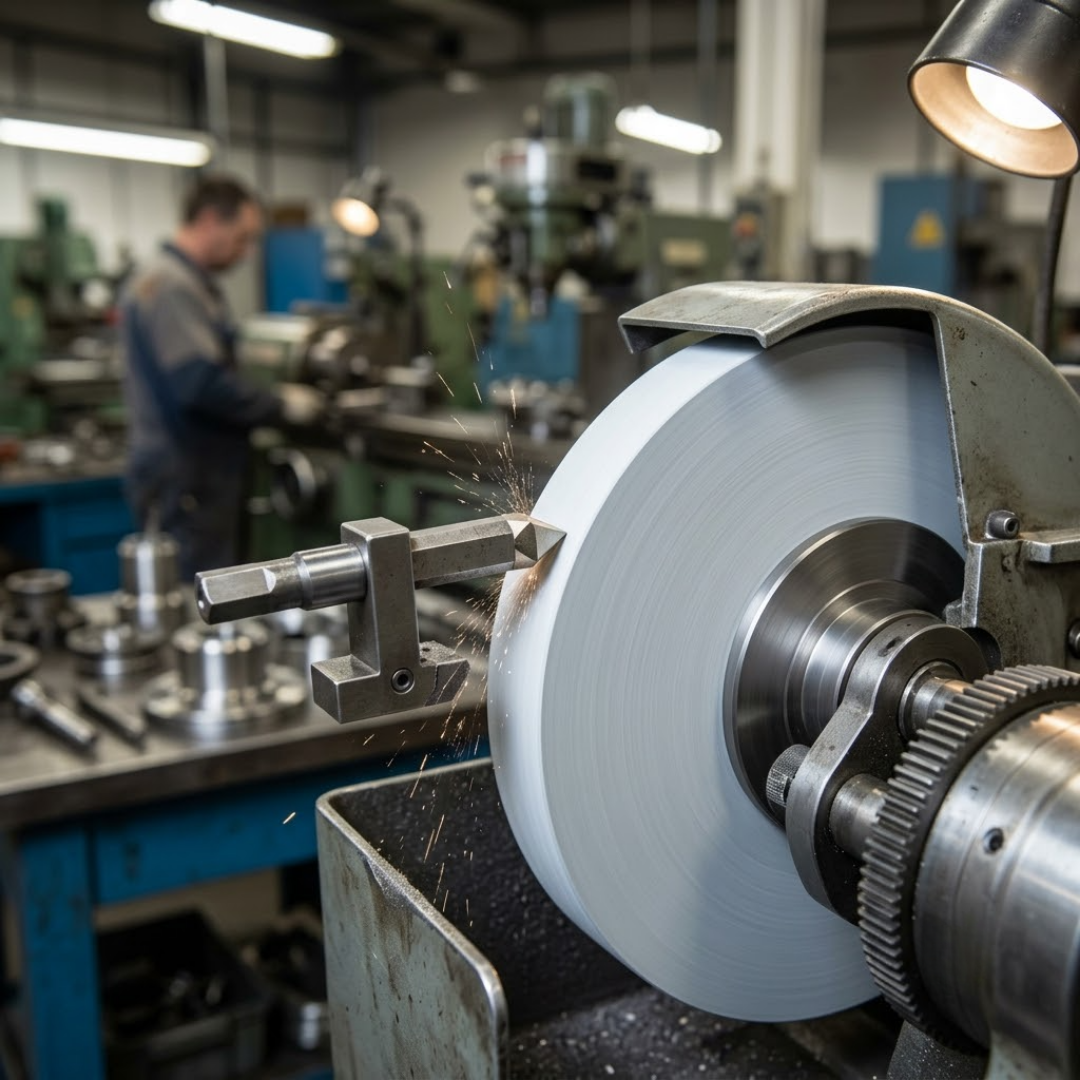
Grinding Wheel Selection and Diamond Dressing
Selecting the correct grinding wheel grit and hardness is the foundation of chatter-free refacing. A loaded or dull wheel bounces across the valve face instead of cutting smoothly. Regularly dressing the wheel with a sharp diamond point exposes fresh abrasive grains, preventing wheel loading and maintaining the precise contact needed for a flawless surface finish.
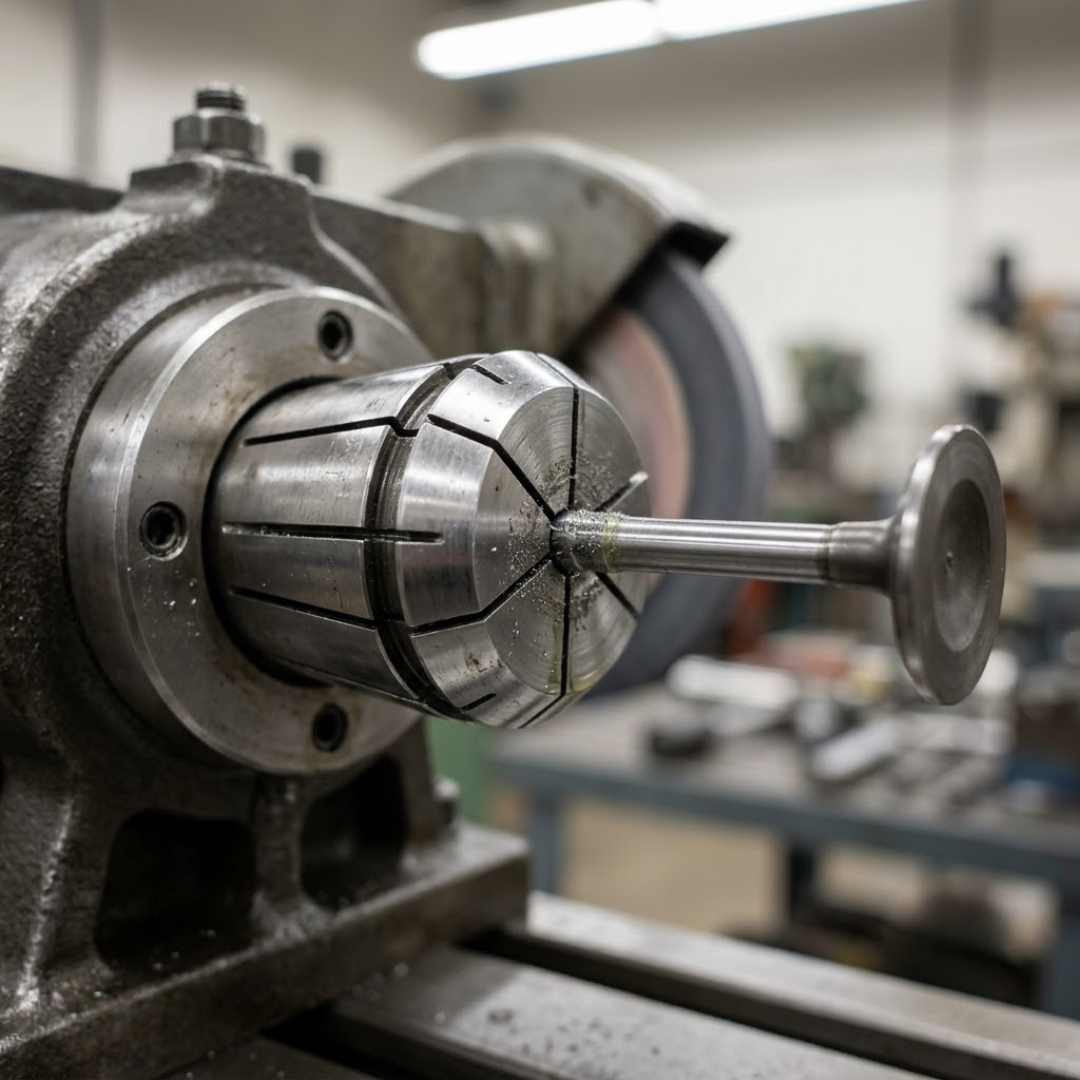
Optimizing Chuck Tension and Stem Support
Insufficient stem support is a primary cause of high-frequency vibration during grinding. Ensure your valve refacing machine setup incorporates a clean, properly adjusted collet or chuck system. Supporting the stem near the valve head reduces harmonics and flex, allowing the grinding wheel to shear metal cleanly without inducing unwanted chatter patterns.
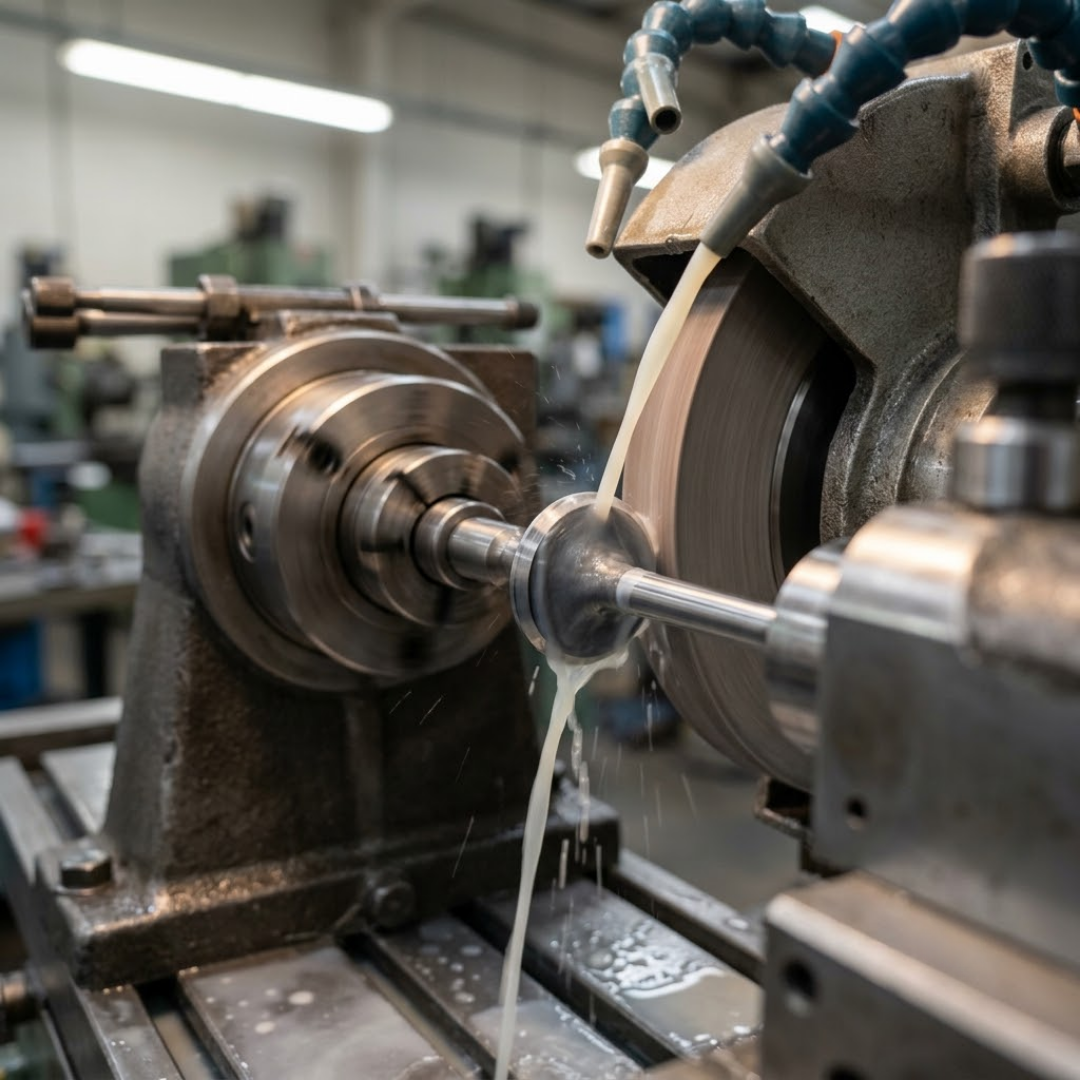
Managing Coolant Flow and Cut Depth
Aggressive depth of cut generates excess heat and deflection, which inevitably manifests as chatter on hard alloy valve faces. Instead, execute lighter finishing passes with steady cross-feed speed. Maintaining a continuous stream of clean, high-quality grinding coolant lubricates the cut, washes away debris, and prevents thermal shock from disrupting grinding consistency.
Inspecting Spindle Bearings and Drive Belts
Mechanical slop in the refacing equipment can ruin even the most meticulous setup. Worn spindle bearings or loose drive belts introduce micro-vibrations directly into the work piece. Periodically testing spindle play, maintaining correct belt tension, and dampening machine vibrations ensures smooth torque transfer and preserves the exact geometric angles required for racing valves.
Eliminating valve stem chatter requires a systematic approach to wheel maintenance, machine rigidity, and grinding technique. By maintaining proper wheel dressing and optimal setup parameters, engine builders can achieve superior seat sealing and maximum airflow velocity. At Regis Manufacturing, we provide cylinder head work supplies, premium grinding wheels, diamond dressers, and precision chucking tools engineered to deliver flawless performance refacing results every single time. Explore our full catalog of valve refacing tools today or consult our technical team to upgrade your machine setup.


