
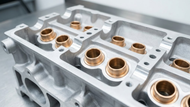
Core Drilling vs. Reaming: Advanced Techniques for Restoring Thin-Wall Valve Guides
Aug 7th 2026
Restoring worn valve guides in high-performance cylinder heads demands extreme concentricity and exact dimensional control. When working with thin-wall bronze guide liners, engine builders often debate between core drilling and reaming as the primary prep method. Understanding how each cutting method affects hole geometry, surface finish, and installation tension is critical for building durable, high-rpm engines.
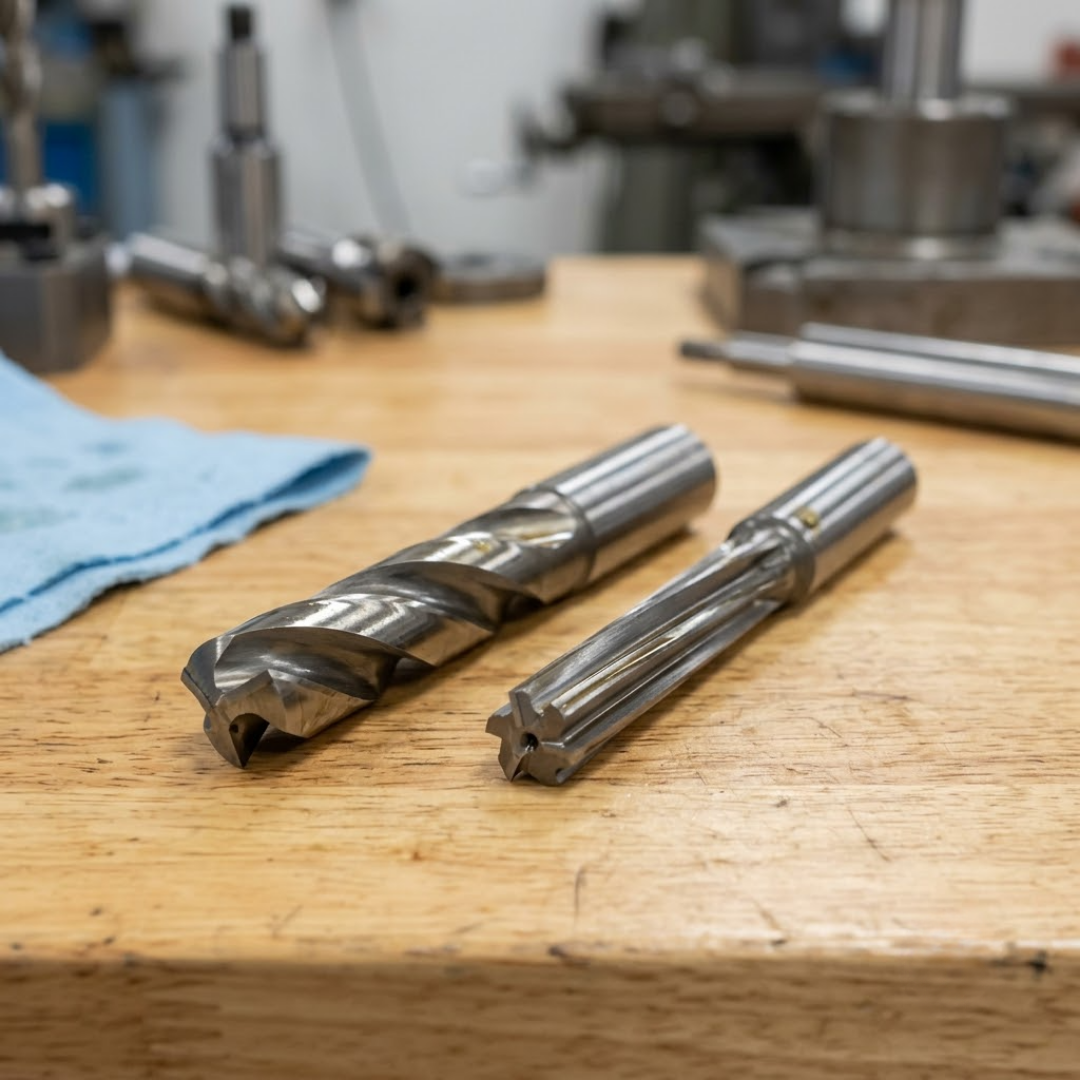
Understanding Mechanics of Valve Guide Core Drilling
Core drilling uses a rigid, multi-flute valve guide core drill to open up worn guide bores before installing thin-wall guide liners. This method excels at correcting worn bell-mothing and shifting ovality back to true center. Because core drills cut aggressively with structural rigidity, they establish straight centerline alignment even in cast iron heads.
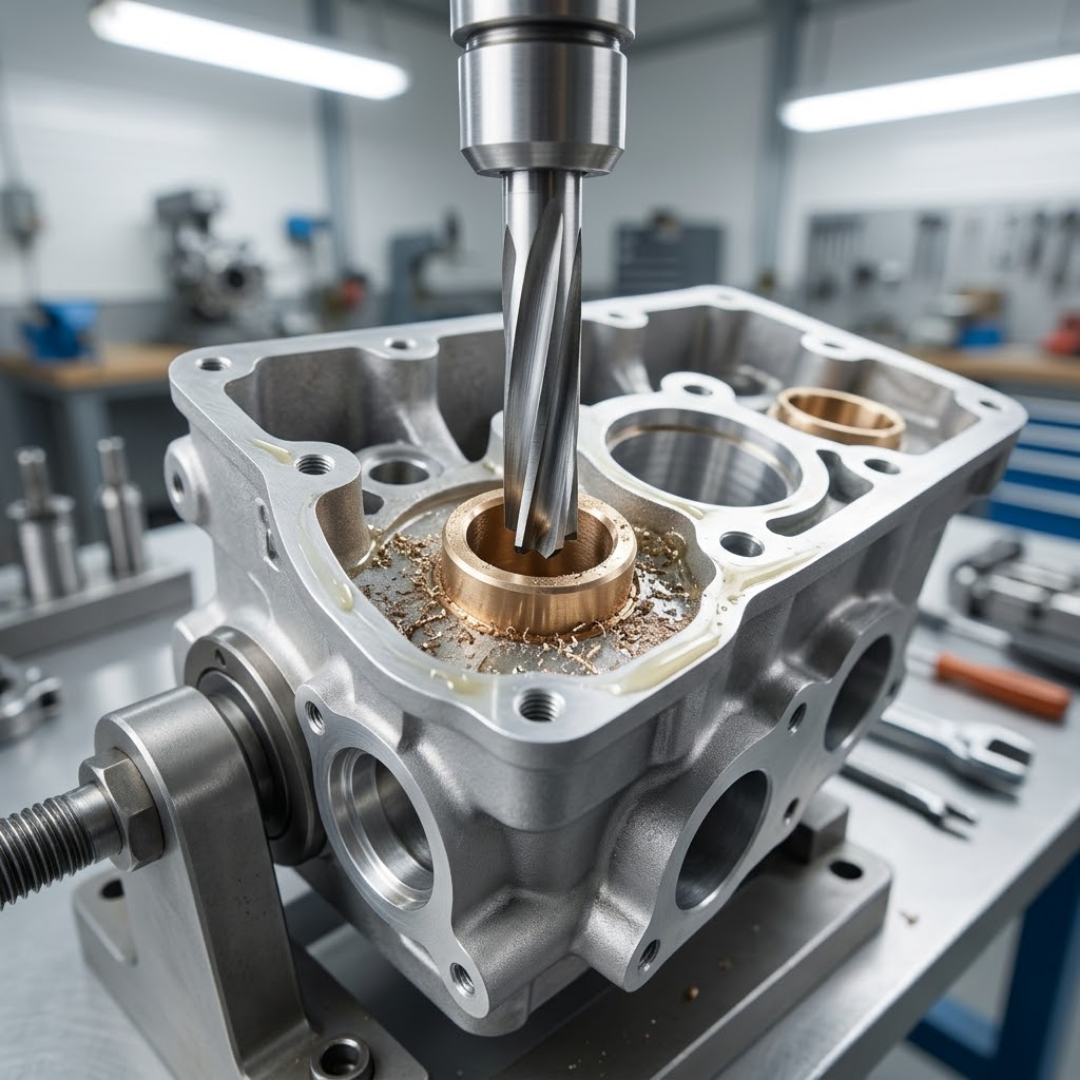
Precision Sizing with a Valve Guide Reamer Kit
Reaming delivers the ultimate surface finish and diameter control necessary for establishing precise guide-to-stem clearance. Utilizing a specialized valve guide reamer kit allows machinists to size bronze valve guide installation bores without removing excess parent material. High-quality precision reamers follow existing bores cleanly, leaving smooth walls optimal for maximum liner retention strength.
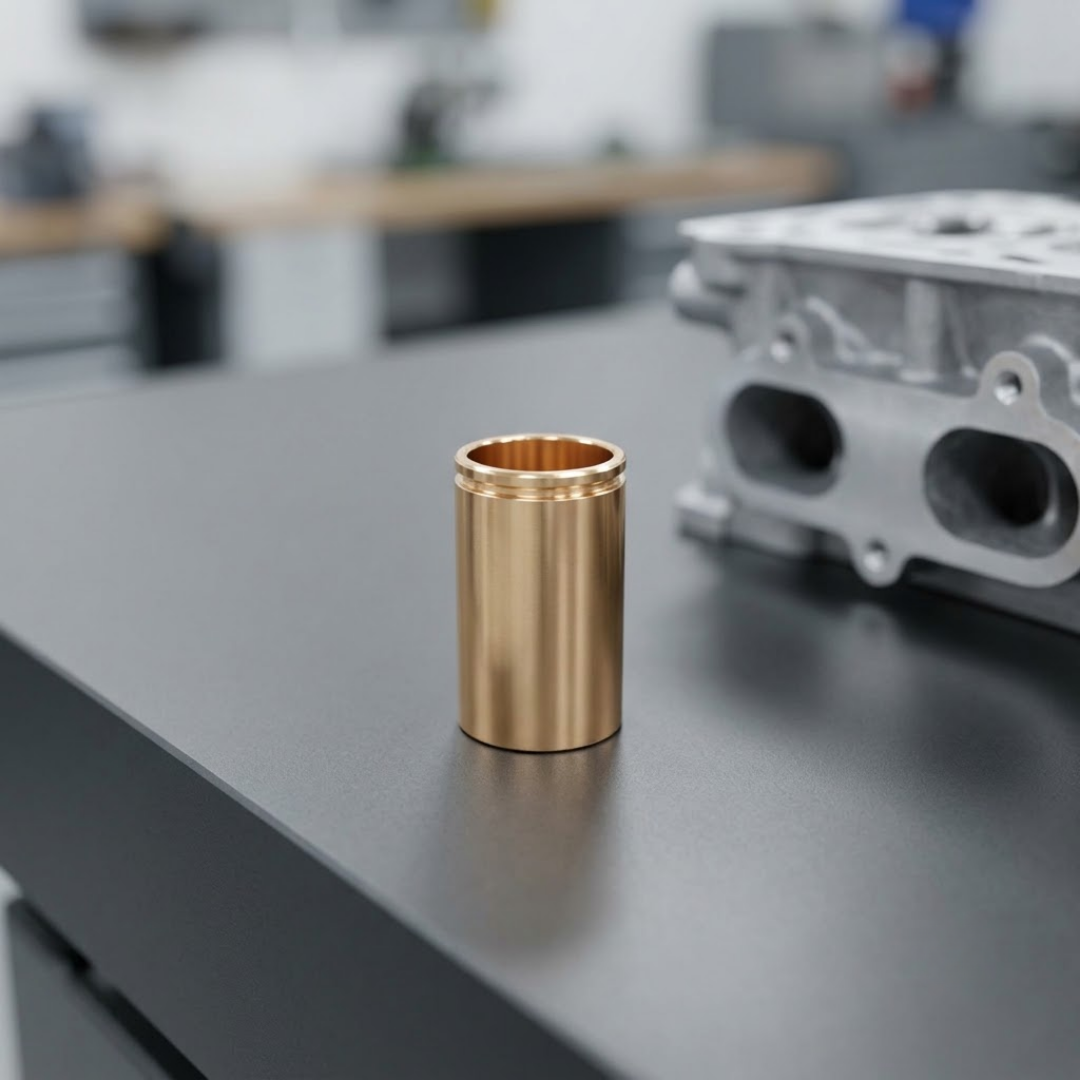
Wall Thickness and Material Considerations for Bronze Liners
Thin wall guide liners require consistent wall thickness to ensure uniform heat transfer and stem support. When installing bronze guide inserts, core drilling is preferred if parent guide distortion is severe, while reaming works best for light refinishing. Selecting the correct process prevents liner collapse and maintains oil retention across thermal expansion cycles.
Establishing Correct Guide-to-Stem Clearance
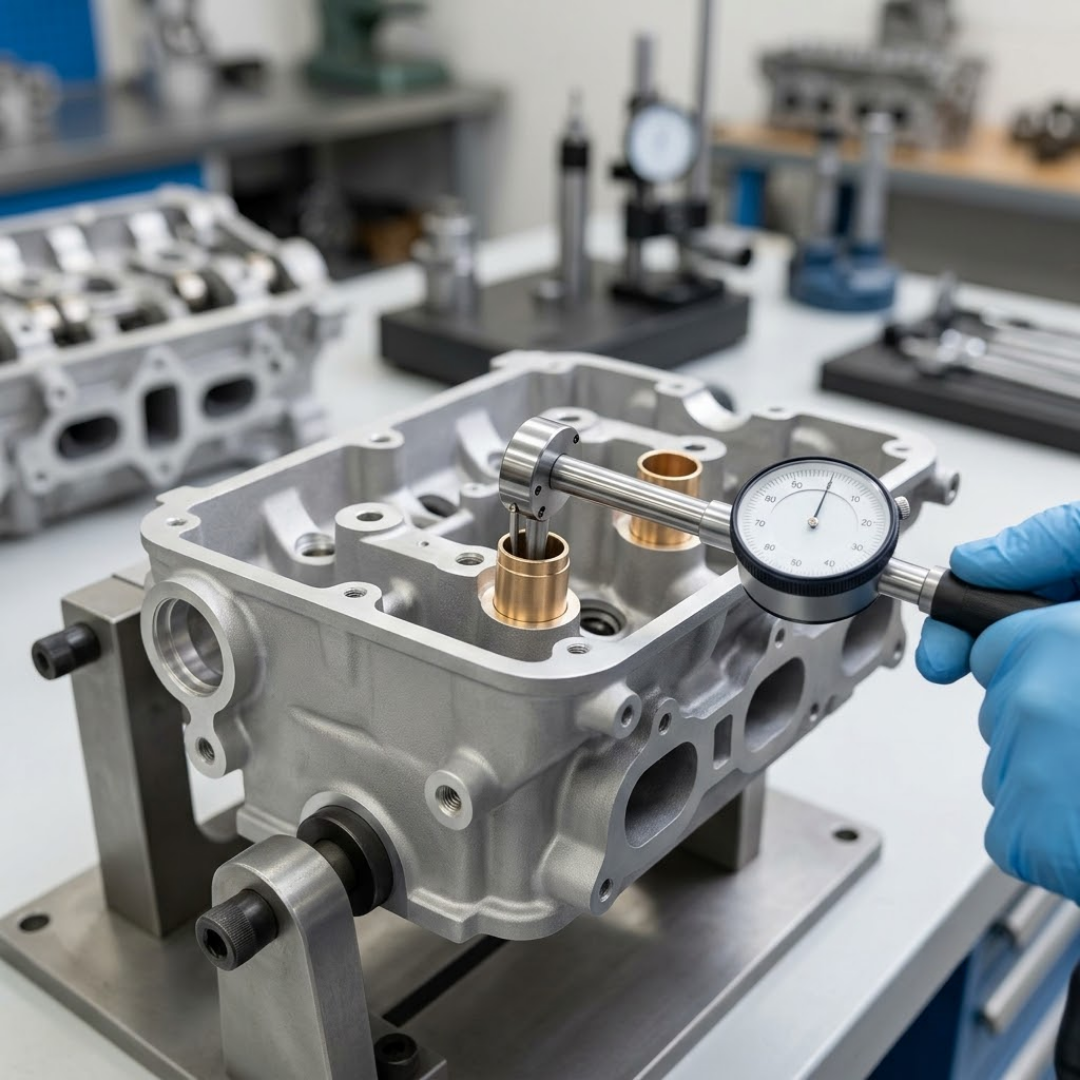
Final sizing after liner installation dictates valvetrain longevity and oil consumption. Using carbide reamers or precision flex hones allows builders to dial in exact stem clearance based on valve material and stem diameter. Proper clearance prevents valve sticking at high operating temperatures while eliminating loose stem wobble that destroys valvetrain stability.
Deciding between core drilling and reaming depends on the condition of your original cylinder head casting and the exact bronze guide liners being installed. Mastering both techniques guarantees true stem alignment and maximum performance. At Regis Manufacturing, we carry a complete line of professional valve guide tools, core drills, precision reamer kits, and bronze installation tooling designed for high-stress engine builds. Browse our full online inventory of engine building tools or contact our technical specialists to equip your machine shop today.


