
Advanced Cylinder Wall Honing for High-Performance Rings
Apr 10th 2026
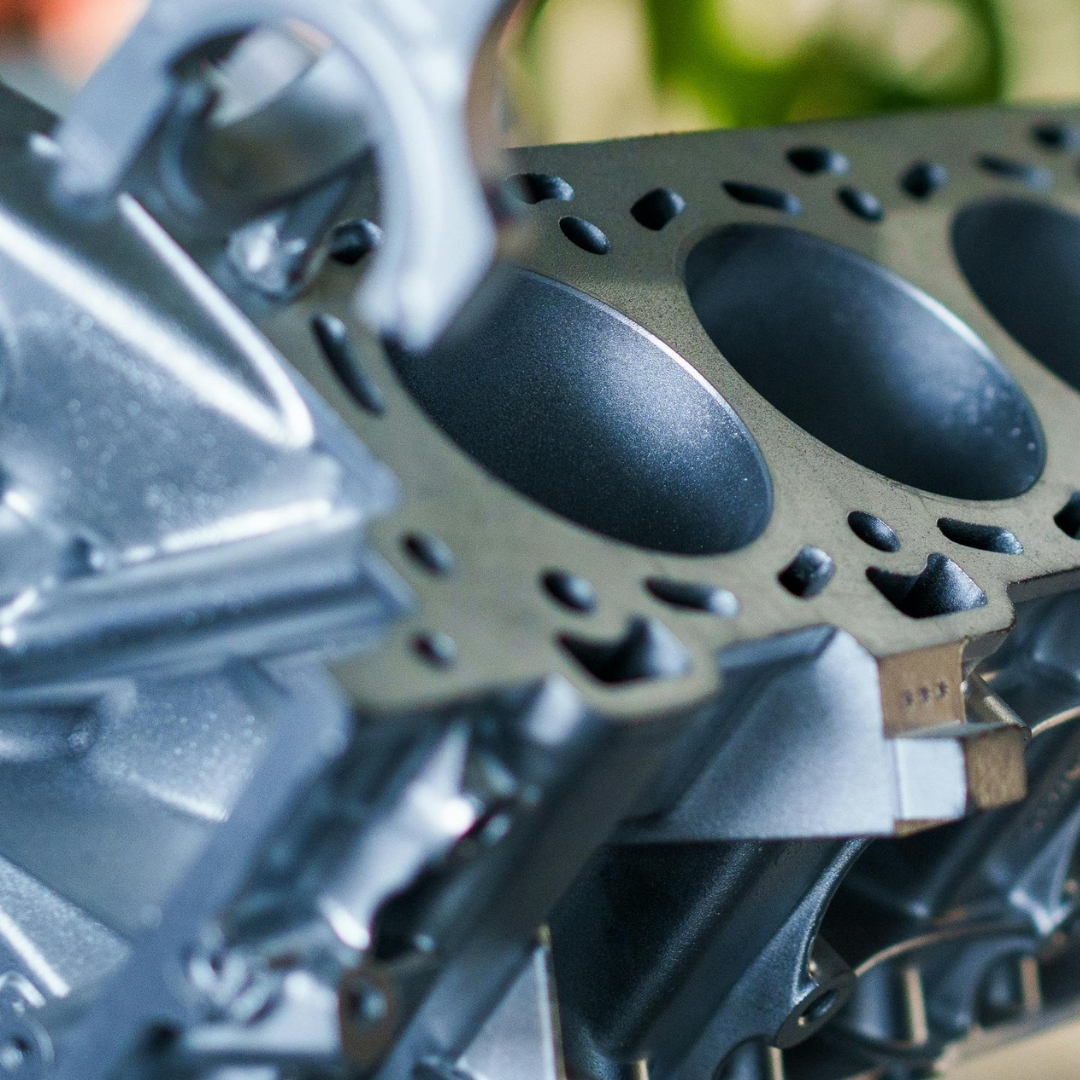
When we approach a high-performance engine build, the cylinder wall finish is far more than a simple aesthetic touch; it is the foundation for effective ring seating and long-term oil control. For the advanced DIY rebuilder, achieving the correct surface topography is a meticulous process. We focus on the synergy between the hone and the modern ring pack.
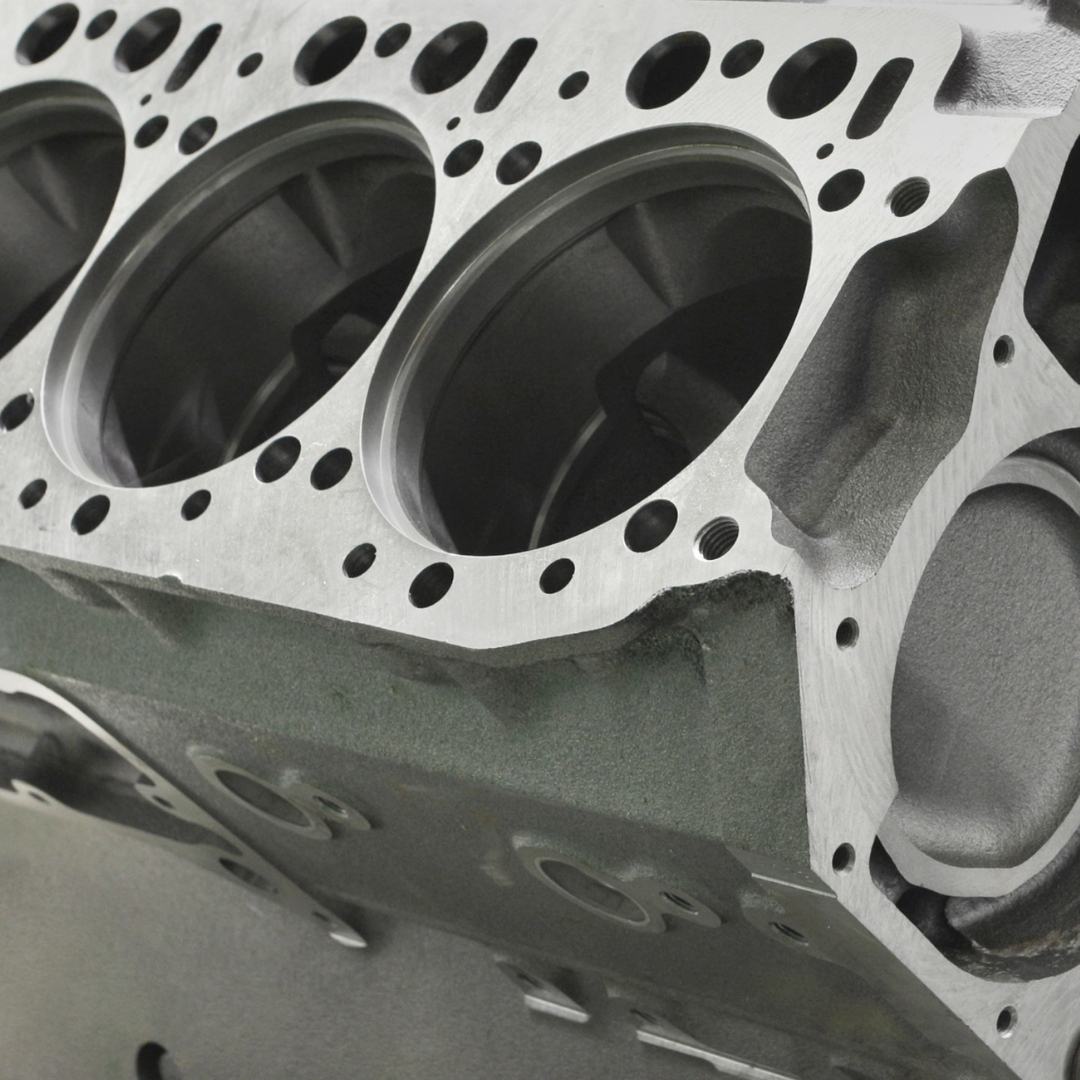
Optimizing Crosshatch Angles for Oil Retention
The crosshatch angle is vital for managing the oil film that lubricates the piston rings. We typically aim for a 45-degree angle to balance oil retention with efficient drainage. If the angle is too steep, oil may migrate too quickly; if it is too shallow, the rings might hydroplane, leading to excessive oil consumption and poor ring seal.
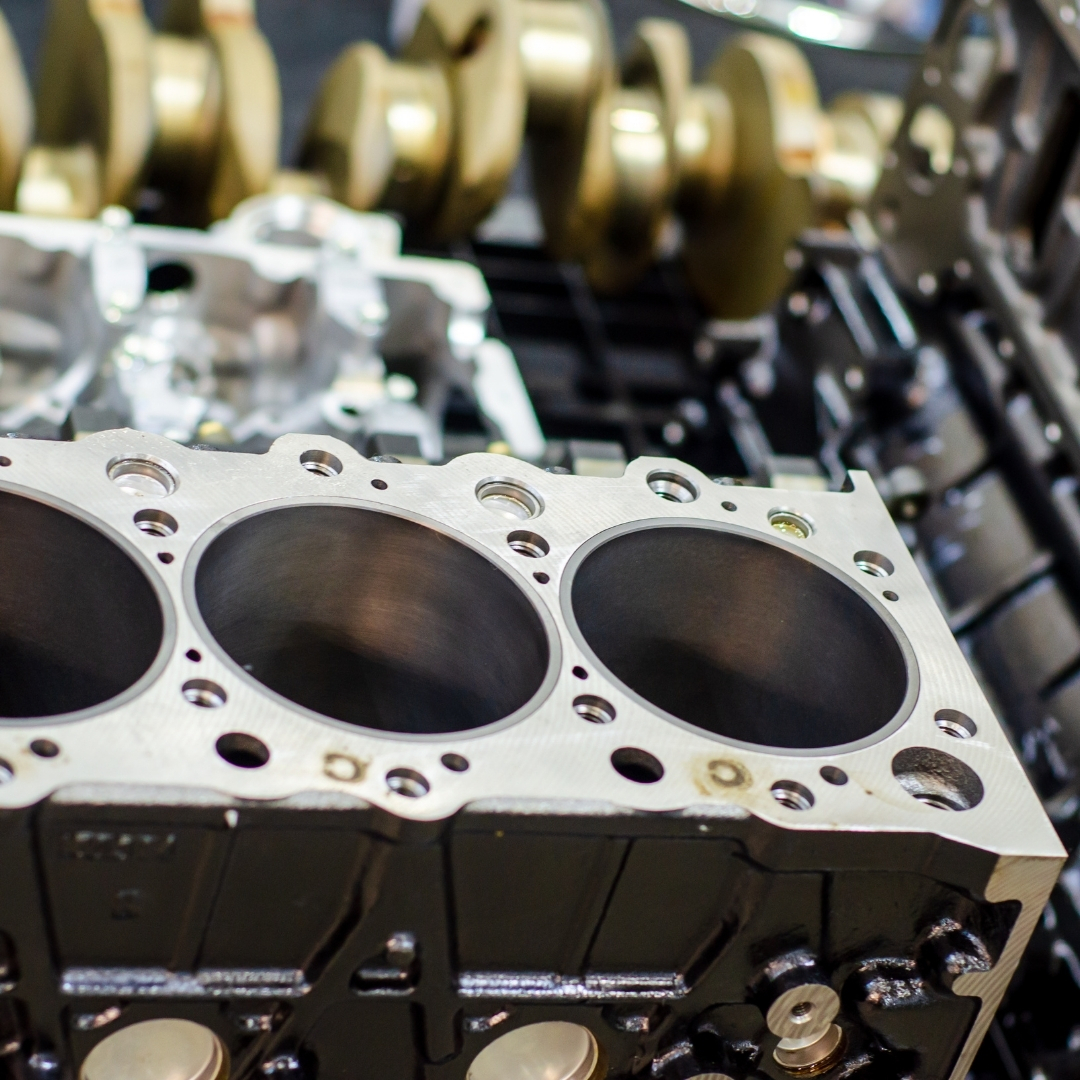
The Importance of Plateau Finishing Techniques
Modern thin-line rings require a plateau finish to minimize the initial "break-in" wear. By using a coarse stone followed by a finer grit or a specialized plateau brush, we remove the jagged "peaks" of the cylinder surface while leaving the "valleys" intact. This creates a smooth load-bearing surface that provides immediate ring seating without sacrificing essential oil-carrying capacity.
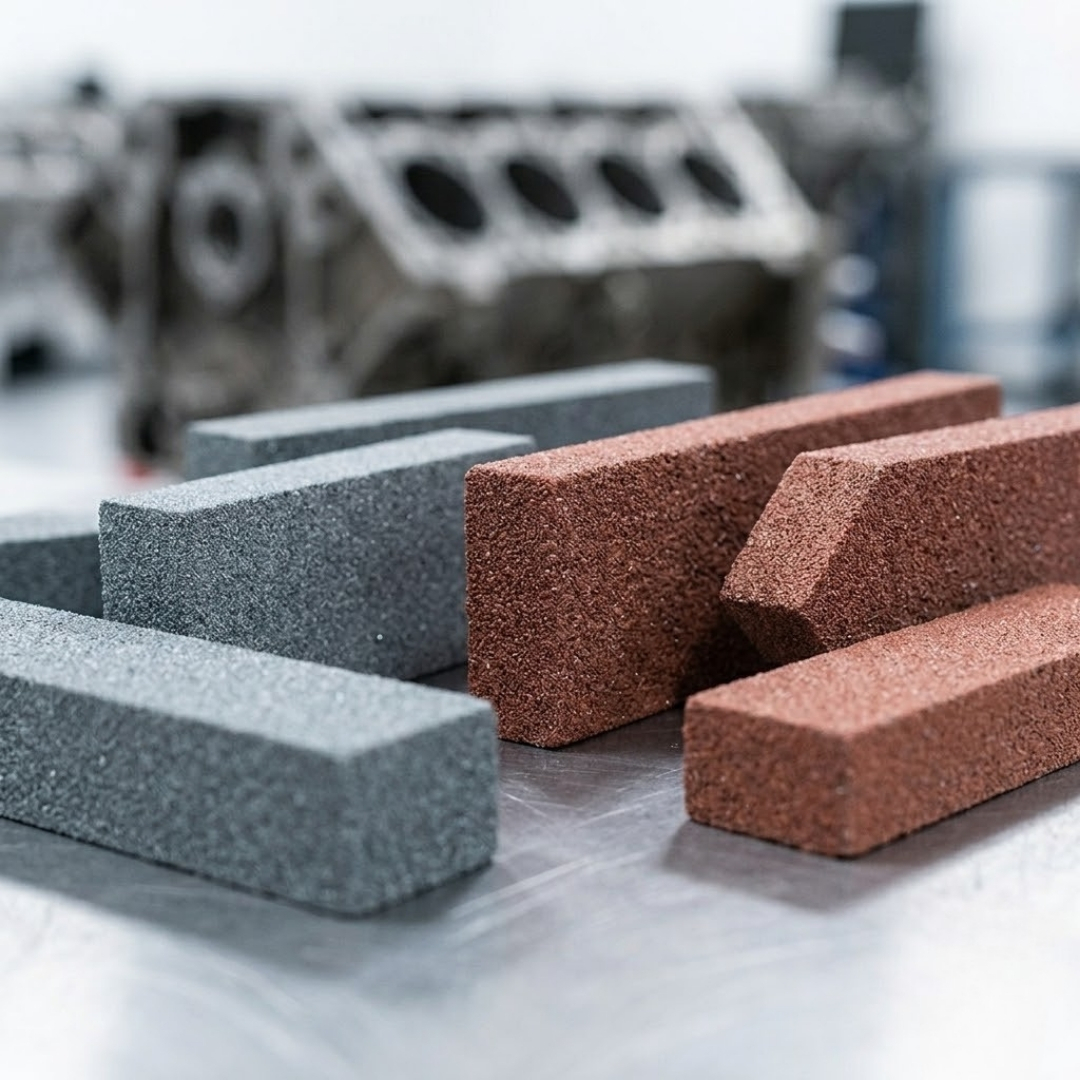
Selecting the Correct Abrasive Media
Choosing between silicon carbide and aluminum oxide depends entirely on the block material and the ring type. For cast iron blocks paired with plasma-moly or chrome rings, we recommend silicon carbide stones for their aggressive yet predictable cutting action. Utilizing the correct lubricant during this process is non-negotiable to prevent stone loading and ensure a consistent, debris-free surface finish.
Measuring Surface Roughness with Precision
Relying on visual inspection alone is insufficient for high-output engines. We advocate for the use of a profilometer to measure $R_a$ and $R_z$ values, ensuring the surface meets the ring manufacturer's exact specifications. This quantitative approach eliminates guesswork, allowing us to confirm that the cylinder walls are prepared to handle high combustion pressures without premature scuffing or ring failure.
Mastering the complexities of cylinder wall topography is what elevates a standard rebuild into a high-performance masterpiece. By utilizing professional-grade honing equipment and following these advanced finishing protocols, we ensure every engine we touch delivers maximum power and durability. Discover our full range of cylinder wall boring and honing tools at Regis Manufacturing to refine your next professional engine project.


