

Maximizing Bottom End Reliability with Precision Rod and Piston Preparation
Feb 4th 2026
Building a high-performance bottom end requires meticulous attention to detail that goes far beyond basic assembly. When we push engines to their limits, the forces exerted on reciprocating components demand perfect clearances and surface finishes. We recognize that for the advanced builder, the difference between success and catastrophic failure lies in the precision of preparation.
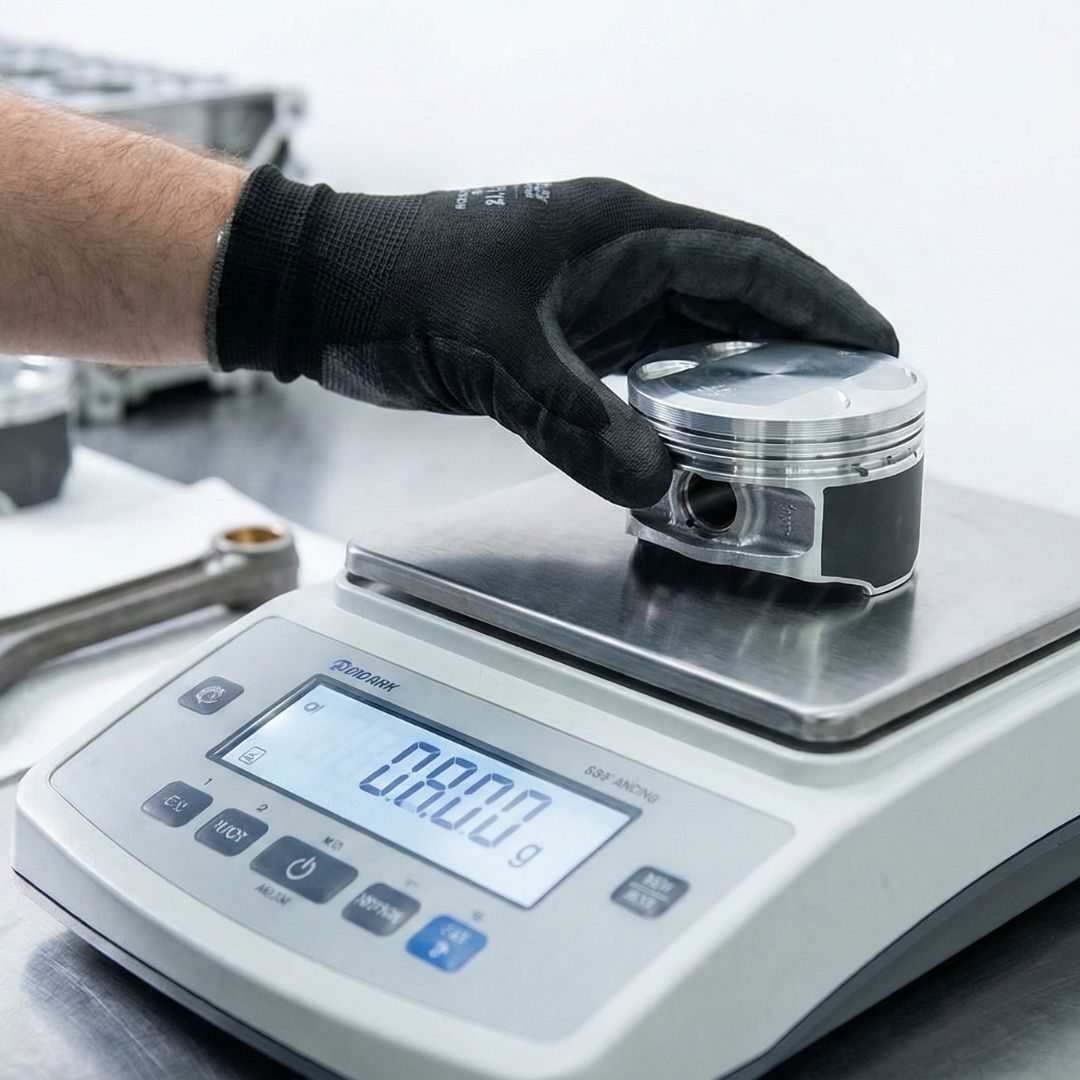
Balancing Reciprocating Mass for High RPM
Achieving a perfect balance across all piston and rod sets is non-negotiable for high-RPM stability. We suggest weighing each component to the tenth of a gram to minimize harmonic vibrations. This precision reduces stress on the crankshaft and main bearings, ensuring the rotating assembly remains stable under the extreme loads found in competitive racing environments.

Verifying Proper Piston-to-Wall Clearances
Measuring piston-to-wall clearance requires high-precision bore gauges and micrometers. We emphasize accounting for the thermal expansion characteristics of specific forged alloys versus cast alternatives. Maintaining the exact manufacturer-specified clearance ensures optimal ring seal and prevents scuffing. This technical diligence prevents excessive blow-by and oil consumption, which are critical for maintaining high-compression efficiency during operation.
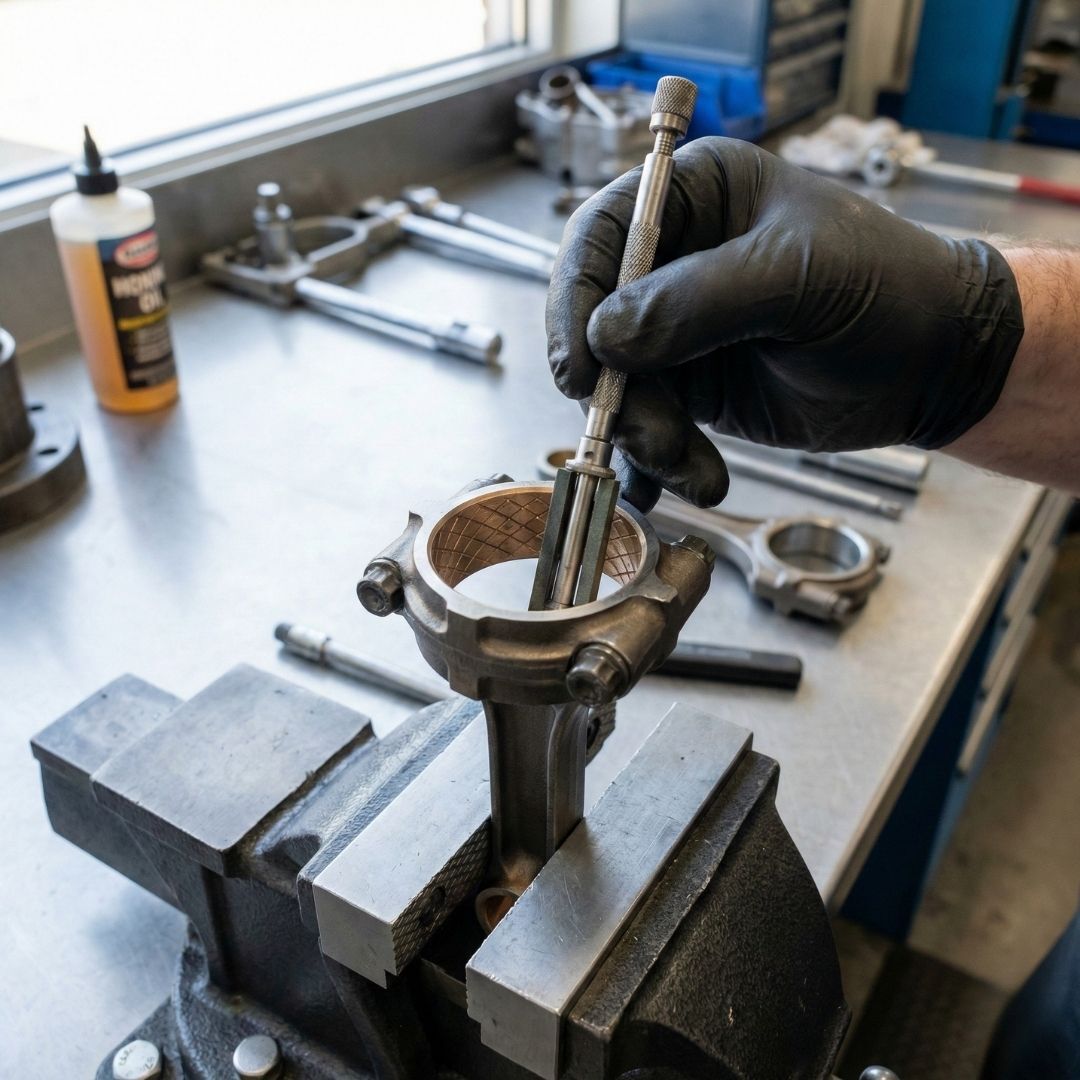
Honing Small End Bushings for Pin Fit
The fit between the piston pin and the connecting rod bushing is a critical lubrication point. We advocate for precision honing rather than simple reaming to achieve the desired oil clearance. A cross-hatch finish on the bushing surface helps retain specialized assembly lubricants, preventing galling during the initial startup and under the high-pressure loads of peak torque.
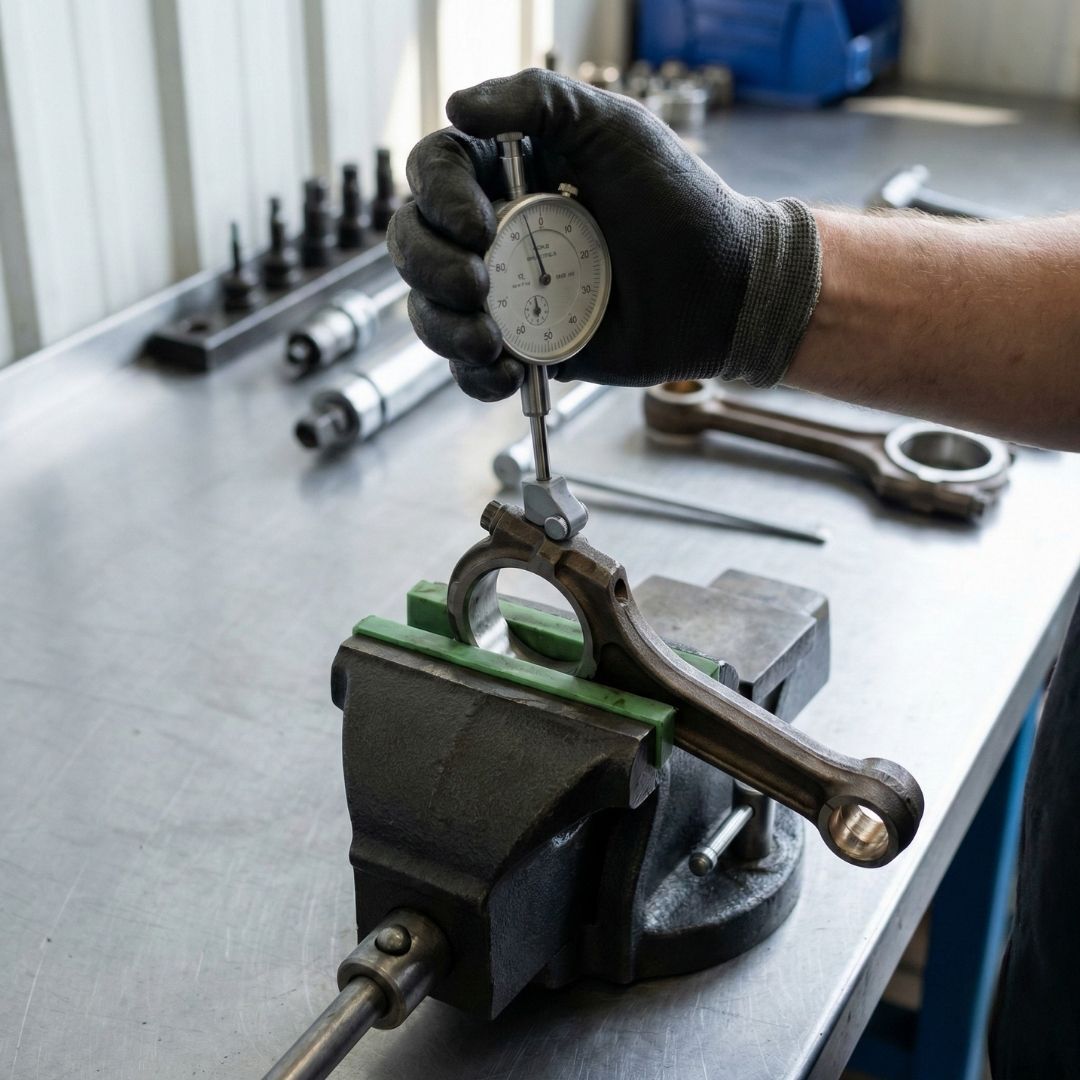
Checking Connecting Rod Big End Roundness
Before final assembly, we must verify that the rod big ends are perfectly round and within tolerance. Using a dial bore gauge, we check for taper or out-of-round conditions that could compromise bearing crush. Ensuring consistent housing bore dimensions allows for uniform oil film thickness, which is vital for preventing bearing spun-catastrophes in high-output applications.
Mastering the preparation of your engine's reciprocating assembly ensures that every horsepower is backed by mechanical integrity. By focusing on meticulous balancing, clearance verification, and proper honing techniques, you build a foundation capable of withstanding extreme performance demands. At Regis Manufacturing, we provide the professional-grade tools and engine cleaning supplies necessary to achieve these exacting standards in your workshop. Discover our full range of engine building equipment or reach out to us for technical insights on your next high-performance project.


