

Achieving the Perfect Seal: An Advanced Guide to Valve Refacing
Oct 15th 2025
When it comes to maximizing engine performance, few details are as critical as a perfect valve seal. For experienced DIY builders, going beyond the basics of valve jobs is key to unlocking power and ensuring reliability. As your partners in engine building since 1959, we at Regis Manufacturing understand that precision work creates powerful results.
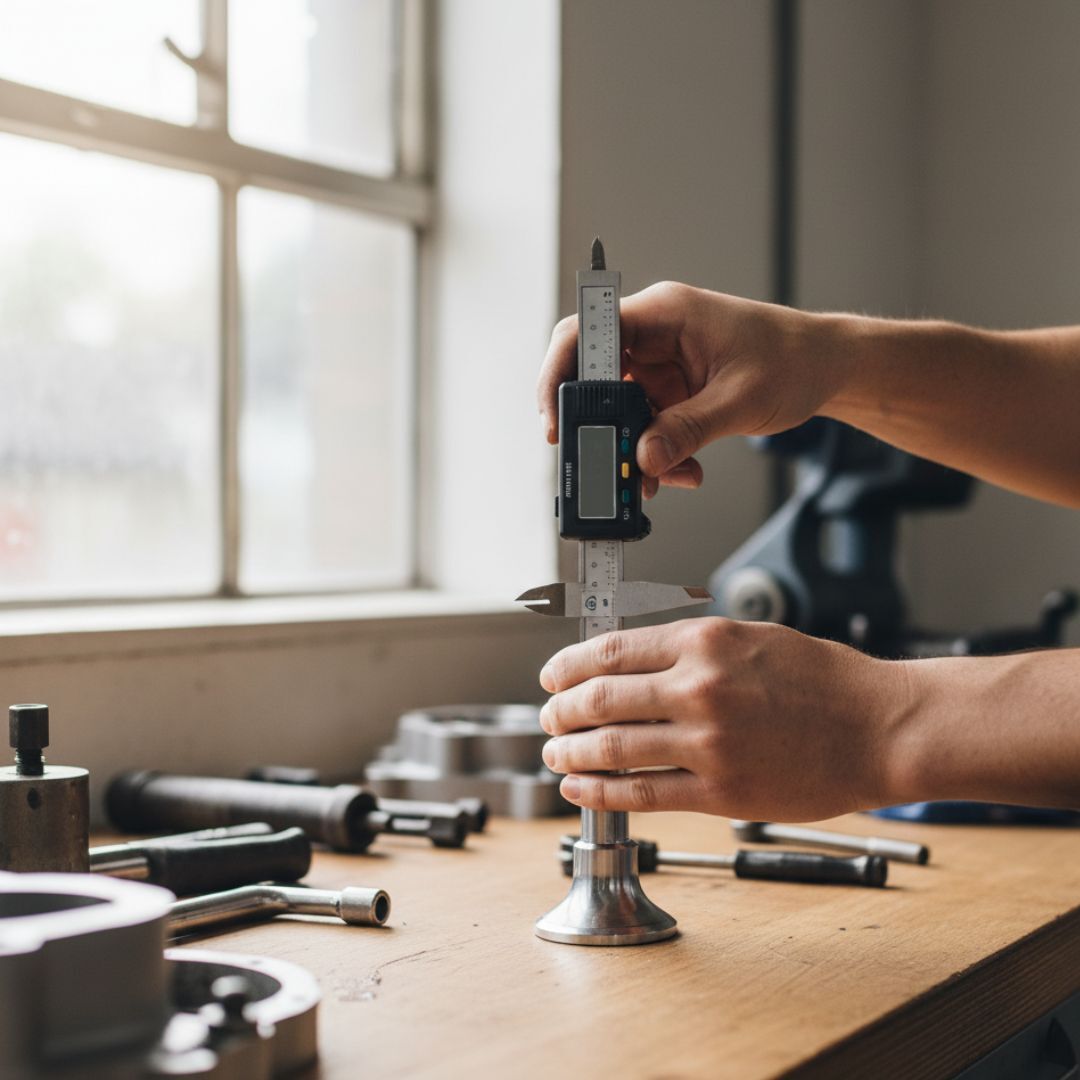
Understanding Critical Valve Face Angles
The foundation of a perfect seal lies in matching the valve face angle precisely to the valve seat. While 45 degrees is most common, some performance applications use 30 degrees for better low-lift flow. Any deviation compromises compression, disrupts heat transfer from the valve, and ultimately leads to a loss of power.
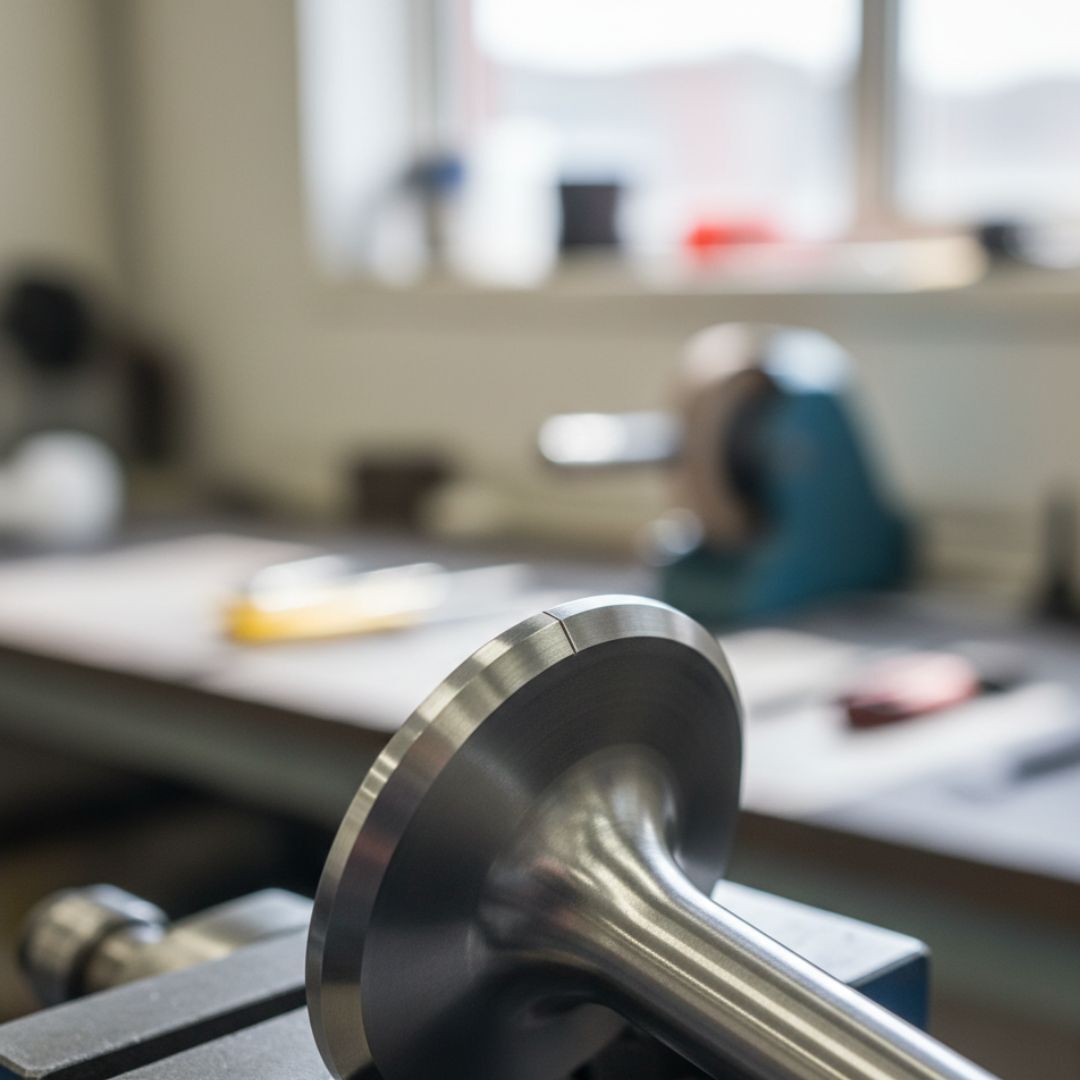
Leveraging an Interference Angle for a Tighter Seal
For a superior, long-lasting seal, we recommend using a slight interference angle. By grinding the valve face 0.5 to 1.0 degree steeper than the seat, you create a narrow, high-pressure contact line. This precise point of contact ensures a gas-tight seal from the very first startup and promotes optimal break-in.
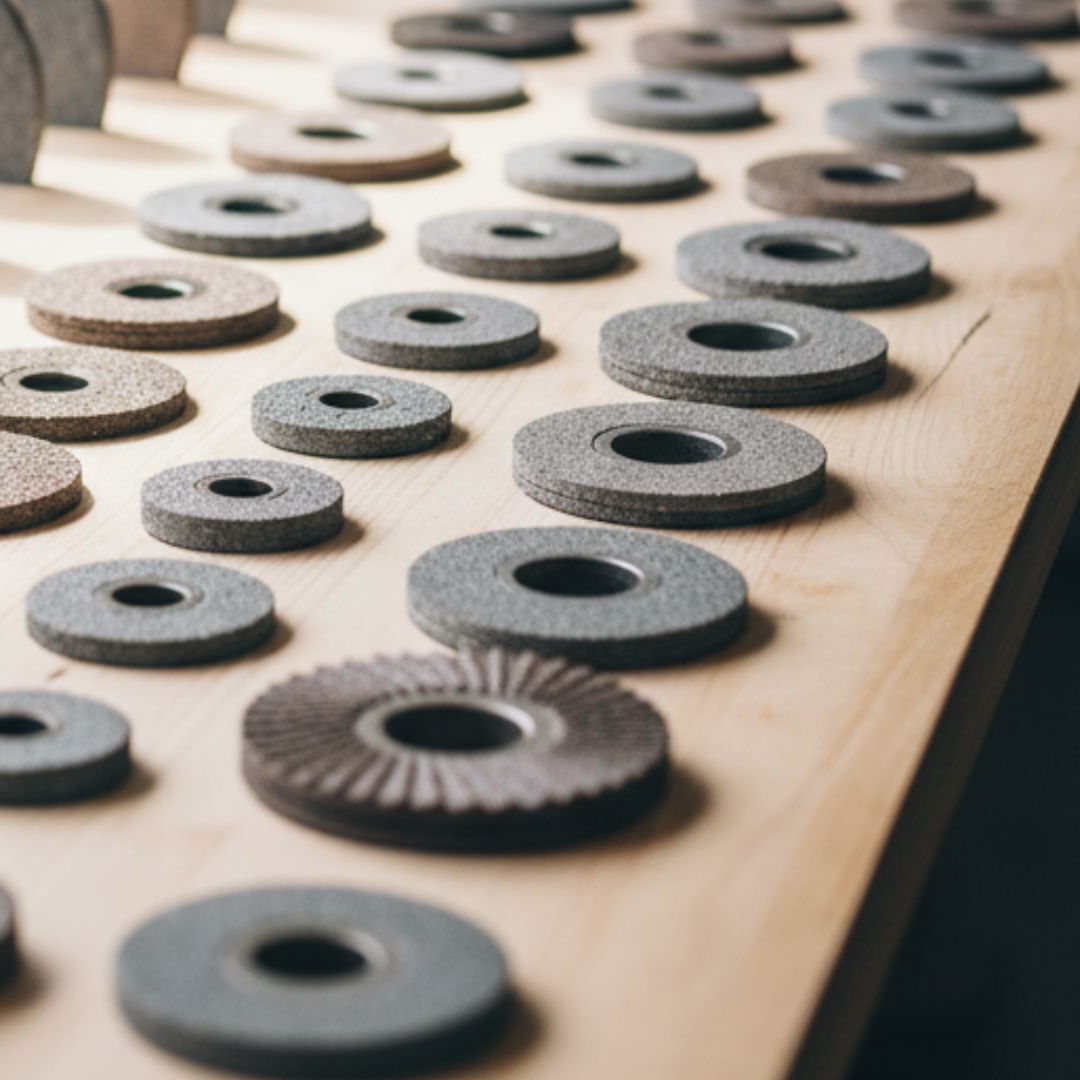
Selecting the Right Grinding Wheels
Your choice of grinding wheel is crucial for achieving a flawless finish. The abrasive material and grit must be matched to the valve's composition, whether it's standard steel, stainless, or titanium. The correct wheel prevents chatter, eliminates material burn, and creates the smooth, flat surface required for a perfect mating with the seat.
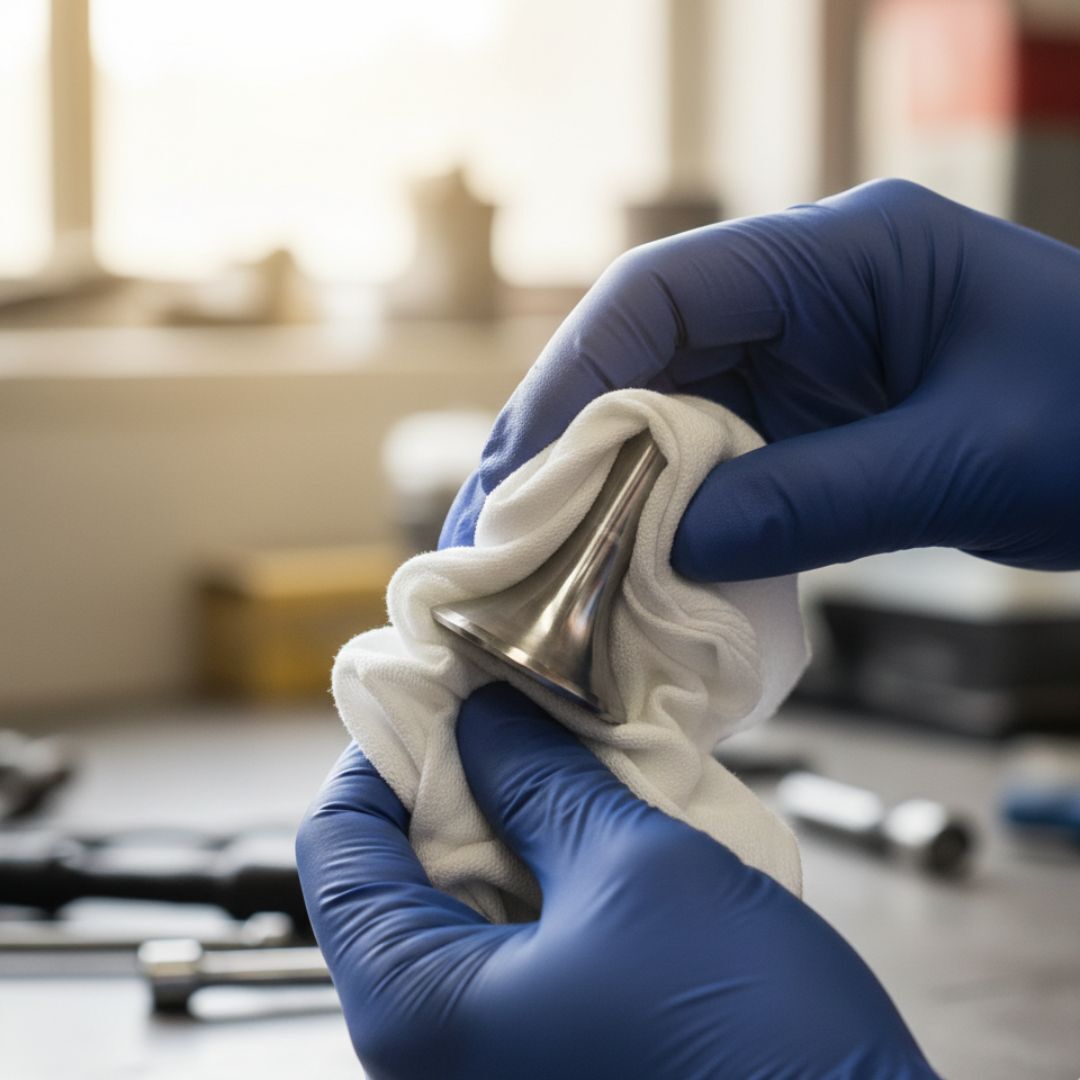
Mastering Refacing Techniques and Best Practices
Precision comes from process. Always ensure the valve stem and chuck are perfectly clean before grinding. Use light, consistent passes and the proper coolants and lubricants to prevent overheating. After grinding, check that the valve margin is within spec, as removing too much material can lead to premature failure and compromise your entire build.
Your Partner in Precision Engine Work
Achieving a perfect valve seal is a testament to a builder's skill, and it relies on mastering angles, techniques, and using the right equipment. At Regis Manufacturing, we are committed to supplying the professional-grade Valve Refacing Wheels & Tools you need to get the job done right. If you have questions or need help selecting supplies, please contact us—our team is ready to help.


